The stork and bees

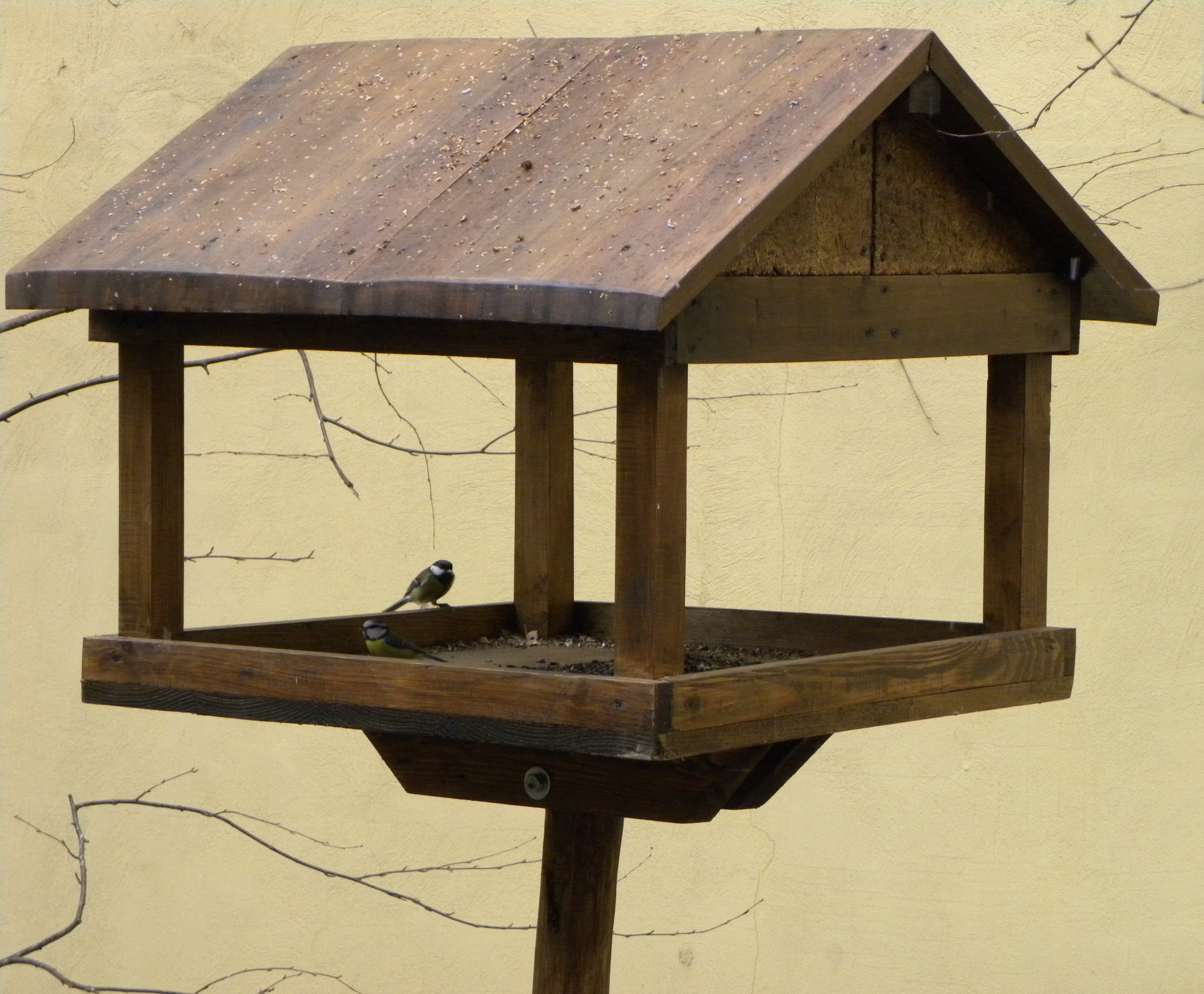
[singlepic id=595 w=250 h=200 float=left]In the last period more and more people are contacting the Milvus Group – Bird and Nature Protection Association, asking for help to protect the storks. Usually they are asking us to set up a rack for a nest, which is on an electrical pylon (e.g. Valea Nirajului, Ocna de Sus etc.). In some cases they are informing us about that some nests are in danger, sometimes even the coworkers from and electrical firm, without no reason, are removing them. In every situation we try to give our best and to solve the established, often unpleasant and weird so called problems.

(more…)

Continue ReadingThe stork and bees

First bear captured by the Milvus Group

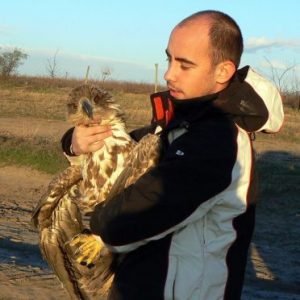
[singlepic id=572 w=250 h=200 float=left]On the 9th of April 2011, the Milvus Group has captured, successfully anesthetized and, after mounting a GPS-GSM collar (made by Vectronic Aerospace) on it, has released its first bear. The bear, an adult male weighing approx. 250 kilograms, was captured in Harghita County, several kilometers away from the town of Sovata. The capture team consisted of Károly Illyés and Károly Pál (professional gamekeepers, assistants within the bear project), Levente Borka (veterinarian) and the bear project coordinator, Csaba Domokos. The collar is working well and is already sending information on the animal’s activity. (more…)
Continue ReadingFirst bear captured by the Milvus Group

Fieldwork in Dobrudja – survey for Saker falcons


Photo: Luca Dehelean
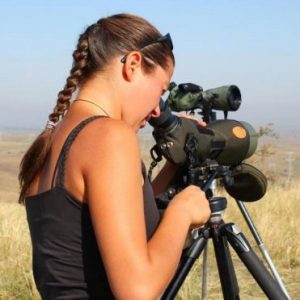
In March, a few ornithologists from the Milvus Group working on the “Conservation of Falco cherrug in Northeast Bulgaria, Hungary, Romania and Slovakia” LIFE+ project have started the fieldwork in Dobrudja. As a first step they verified the presence of the target species in the Măcin Mountains, where Saker falcons used to breed. Although there are several suitable breeding places, due to unknown reasons yet, unfortunately the birds were missing. (more…)

Continue ReadingFieldwork in Dobrudja – survey for Saker falcons

Taking part in the annual meeting of raptor conservation specialists in Hungary

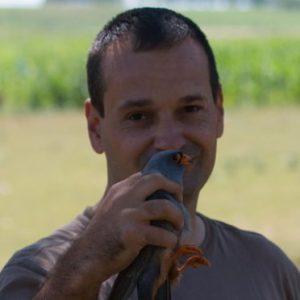
[singlepic id=482 w=250 h=200 float=left]Birds of prey usually occur in the top of the trophic pyramid, which means that because of the major changes caused by humans on ecological equilibrium make them more and more vulnerable. It’s a matter of fact that many raptor species are endangered and need conservation actions to survive. The specialists from Hungary have reached the top of the class in raptor conservation, as their efforts made in the last few decades lead to increase the national populations of some highly endangered birds of prey species, of which global effectives are permanently decreasing. Such species are the Imperial Eagle (Aquila heliaca) and the Saker (Falco cherrug). (more…)
Continue ReadingTaking part in the annual meeting of raptor conservation specialists in Hungary

Nestboxes for Owls

In winter 2010-2011 members of the Milvus Group have mounted a number of five artificial nestboxes for Eurasian Pygmy Owl (Glaucidium passerinum) and seventeen nests for Tengmalm’s Owl (Aegolius funereus).…

Continue ReadingNestboxes for Owls

1st Meeting of the International Working Group within the AEWA concerning the Lesser White-fronted Goose, one of the most endangered bird species in the Western Palearctic

[singlepic id=470 w=200 h=250 float=left]The Agreement on the Conservation of African-Eurasian Migratory Waterbirds (AEWA) is the largest of its kind developed so far under CMS (Convention on the Conservation of Migratory Species of Wild Animals, also known as the Bonn Convention), and it covers 255 species of birds ecologically dependent on wetlands for at least part of their annual cycle. It was concluded in 1995 in the Netherlands, and entered into force on 1 November 1999. Since then the Agreement is an independent international treaty. The agreement covers 118 countries from Europe, parts of Asia and Canada, the Middle East and Africa. Romania has signed it on 01.10.1999, and ratified it through the Law nr. 89/2000. (more…)

Continue Reading1st Meeting of the International Working Group within the AEWA concerning the Lesser White-fronted Goose, one of the most endangered bird species in the Western Palearctic

The project “Valea Alceului and Lunca Barcăului, Natura 2000 sites designated for the conservation of the Red-footed Falcon”

[singlepic id=465 w=250 h=200 float=left]Our project called “Valea Alceului and Lunca Barcăului, Natura 2000 sites designated for the conservation of the Red-footed Falcon”, supported by the MOL Romania and the…

Continue ReadingThe project “Valea Alceului and Lunca Barcăului, Natura 2000 sites designated for the conservation of the Red-footed Falcon”

Autumn migration of raptors in North Dobrogea, 2010

Aquila pomarina Macin 2010

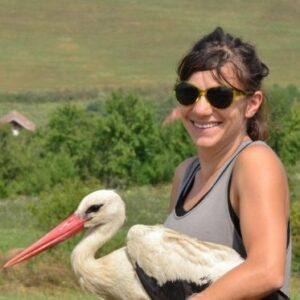
All Romanian birdwatchers know that thousands of raptors, white and black storks, and other gliding bird species migrate every autumn through Dobrogea.

In the past few years several studies have been made in order to identify the main migration periods for each raptor species. Maybe the most relevant among these studies was elaborated by the Milvus Group itself, based on the raptor migration observation camps held in the Măcin Mountains (link).

(more…)
Continue ReadingAutumn migration of raptors in North Dobrogea, 2010

Migration Map of the Satellite Tracked Romanian Lesser Spotted Eagles (Aquila pomarina)

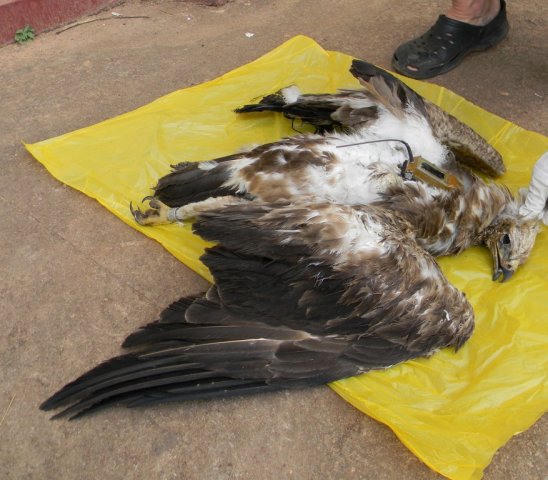
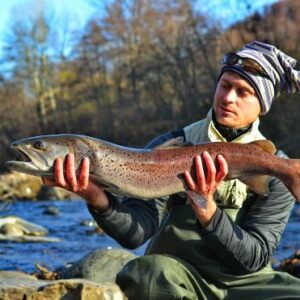
[singlepic id=450 w=250 h=200 float=left]Within the frame of the project that views the conservation of the species, entitled “Conservation of Aquila pomarina in Romania” (LIFE08 NAT/RO/000501), members of “Milvus Group” Bird and Nature Protection Association managed to capture three adults and three juvenile Lesser Spotted Eagles in May and July, in one of the project’s target areas. The birds were equipped with satellite transmitters(Microwave 45 g Solar Argos/GPS PTT-100s) which will help track their movement through the Argos system for minimum one year, so we will receive important information about their home range, habitat use,  and beginning with autumn also about their migration routes and wintering sites. The birds received other markings as well, such as aluminum and color rings (with code numbers) and wing feather paintings.

To view their movement access this page.

(more…)
Continue ReadingMigration Map of the Satellite Tracked Romanian Lesser Spotted Eagles (Aquila pomarina)
The project “Environmental education in Mureș county” financed by the Administrația Fondului pentru Mediu (www.afm.ro) has began

[singlepic id=449 w=200 h=150 float=left]During August, Milvus Group organized the environmental education camp for youth between ages 9-15, in the Rigmani Nature School (Mures County. The participants - through outdoor activities…

Continue ReadingThe project “Environmental education in Mureș county” financed by the Administrația Fondului pentru Mediu (www.afm.ro) has began