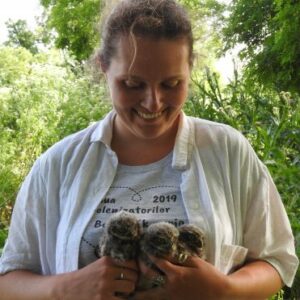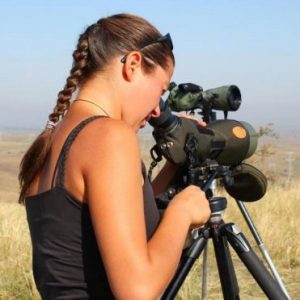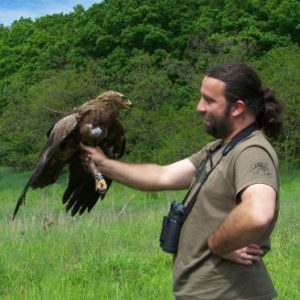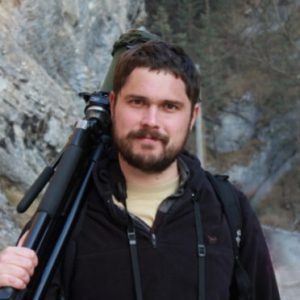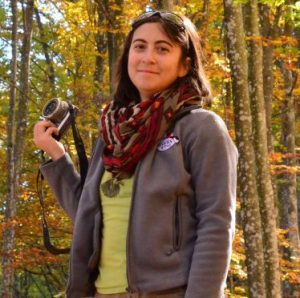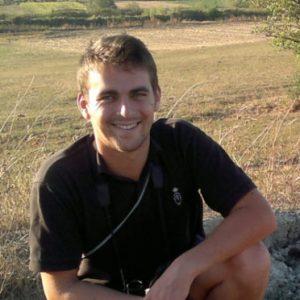
If you find an injured wild animal and contact the Wildlife Rehabilitation Centre, chances are we will refer you to a local veterinarian – part of a national rescue network founded almost a decade ago.
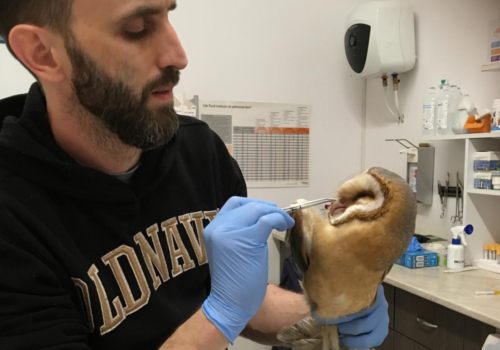
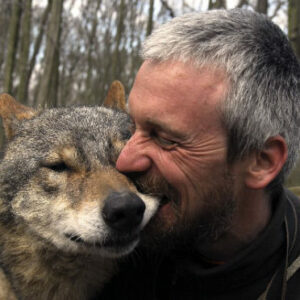
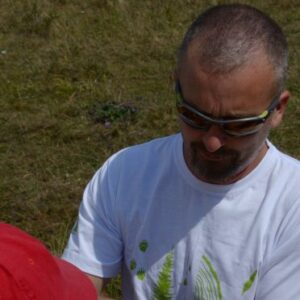
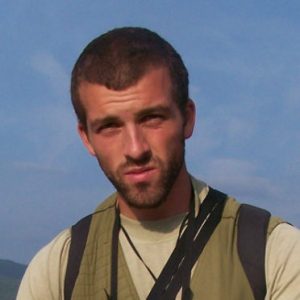
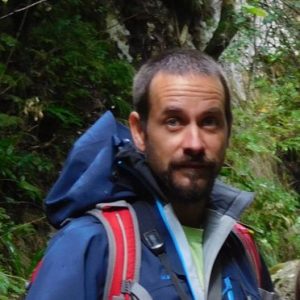
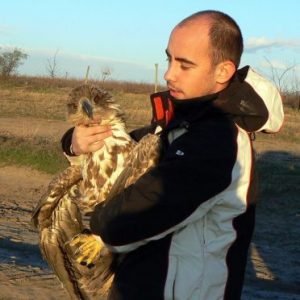
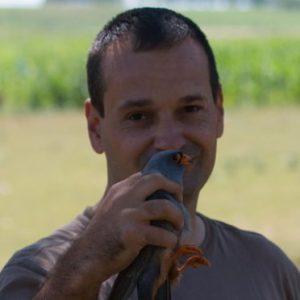
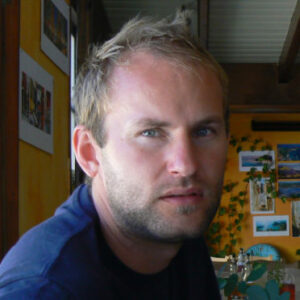
If the animal is found in Brașov County, you may be directed to Dr. Dombay Endre – a veterinarian who, like his colleagues, never hesitates to help, even if it means working without expecting compensation.

One of the most memorable moments for Dr. Endre was the 2016 conference “Saving injured wildlife – veterinary aspects”, organised in Miercurea Nirajului by the Milvus Group and Vets4Wild. Looking back, he recalls a friend’s words: “Endre, we’re finally at a conference where no one’s talking about how much they make per case – we’re among vets with childlike hearts, proud to help and save lives.”
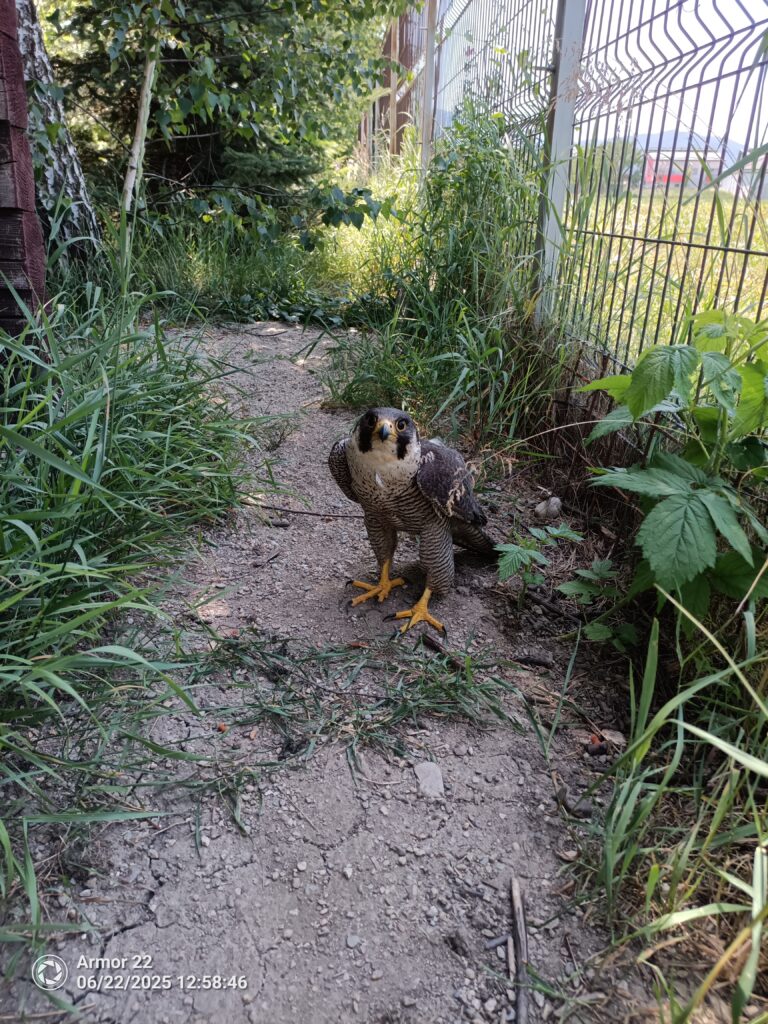
For Endre, this vocation came naturally. He knew from childhood that he wanted to become a vet. With the support of his parents and grandparents, he began helping injured wild animals from an early age. Later, when he was invited to join our network of like-minded vets committed to giving wild animals a second chance at freedom, everything fell into place – it felt like a natural extension of his childhood dream.
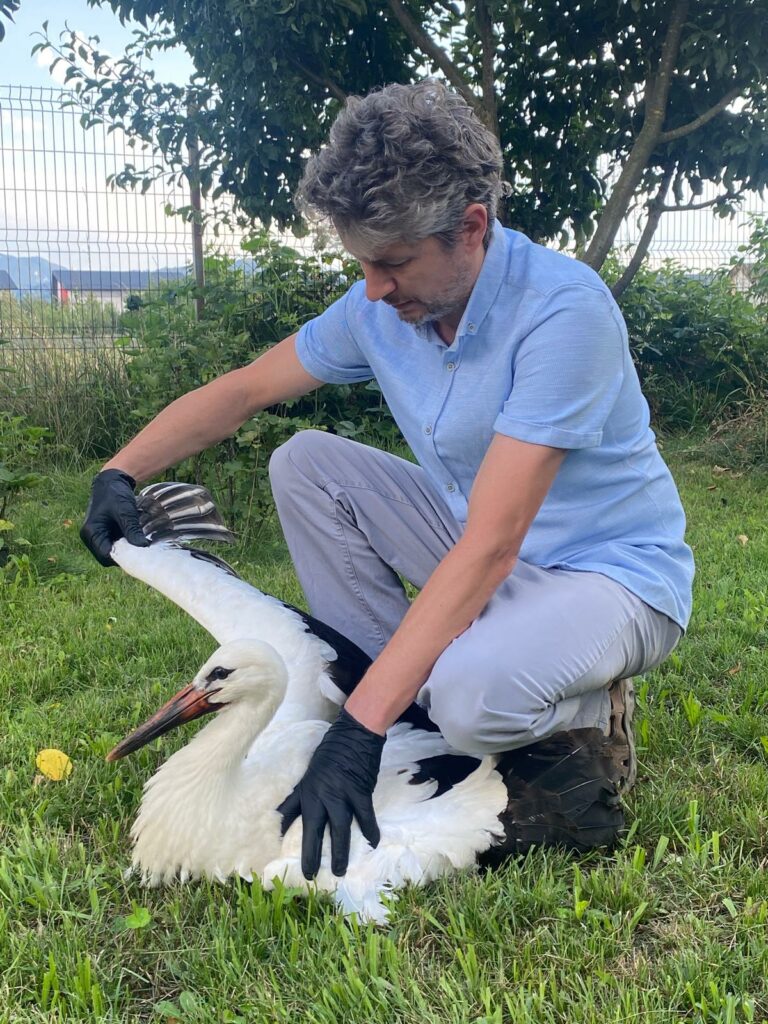
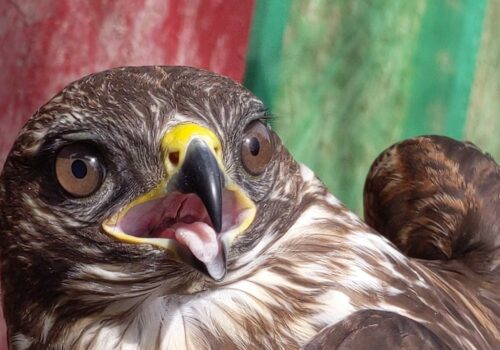
Since then, he’s treated mostly injured birds, but also small mammals, hedgehogs, deer, foxes. Many cases left a mark, but one stands out: a mother hedgehog killed by a dog, leaving five little ones behind.
“We took them in and started caring for them at the clinic. As they grew, colleagues and family gave them names. The real success, for me, was when months later they wandered off on their own. It happened years ago, but even today, when I see a hedgehog wandering through the neighbourhood on a rainy night, I dare to hope it’s one of mine – or one of their descendants.” – he remembers.

Endre admits that there are many tragic cases, often caused by well-meaning people who take bird chicks or deer fawns that don’t actually need rescuing. Sadly, many such situations end badly – outcomes that could be avoided if people sought proper guidance first.
Of course, there are also funny moments. In one case, a lady contacted him about a stork that had been standing in front of a block of flats in Brașov for three days, refusing to fly away.
“It felt kind of weird (…), but since my intervention was needed I rushed to help. The woman said the bird was in a small green patch behind the building. I walked around, and there it was – a plastic garden stork. Turns out she couldn’t see well, and the neighbours had just added the statue to brighten up the courtyard.”
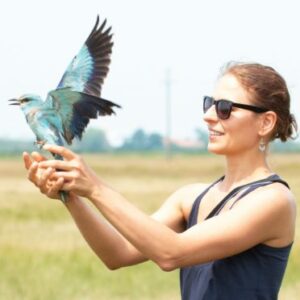
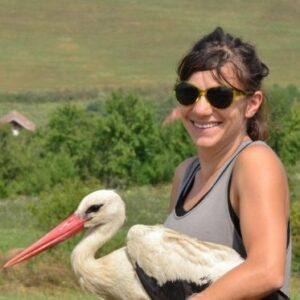
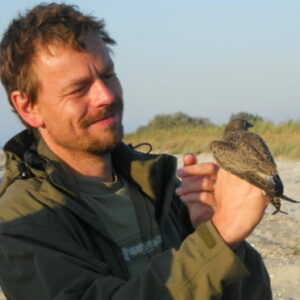
While that stork didn’t need rescuing, dozens of real birds did – and now soar freely thanks to Dombay Endre and the many vets who do this work out of passion and compassion.
We take this opportunity to sincerely thank all the vets and volunteers involved in wildlife rescue, since their story is inspiring for all of us.
If you are a veterinarian willing to help a wild animal in need, or a volunteer who could care for a “patient” for a few days, do not hesitate to contact our Wildlife Rehabilitation Centre at the emergency number: 0722533816.