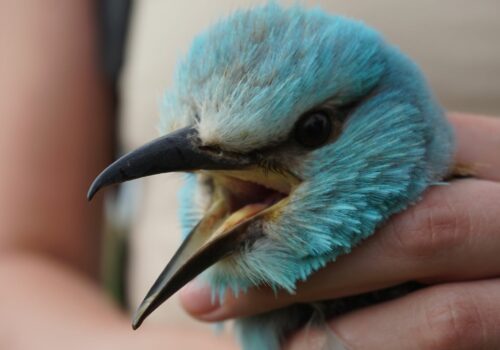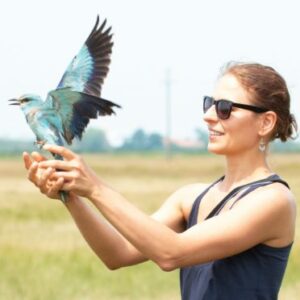
After a long and dangerous migration, the European rollers have returned to their nesting grounds, marking the beginning of a new breeding season.
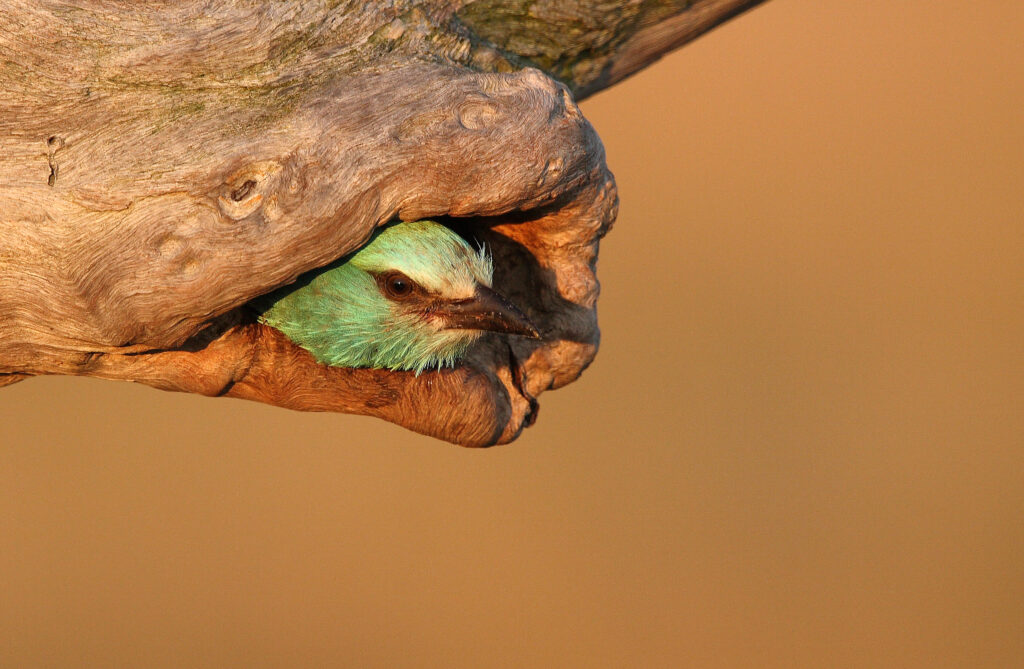
This colourful bird species prefers open landscapes dotted with tree lines, groves, and small forest patches, though it also breeds regularly in floodplain forests. It does not build its own nest, instead, it readily occupies holes carved out by other species, such as the European green woodpecker or the Black woodpecker, typically in the trunks of old poplar trees. Outside the Carpathian Basin, rollers often nest in burrows dug into loess or sandy banks—usually by European bee-eaters. In some cases, they even nest inside cylindrical concrete electrical poles.
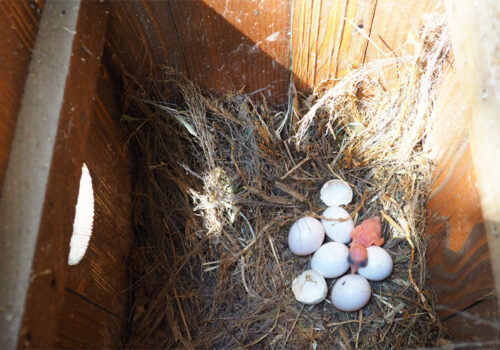
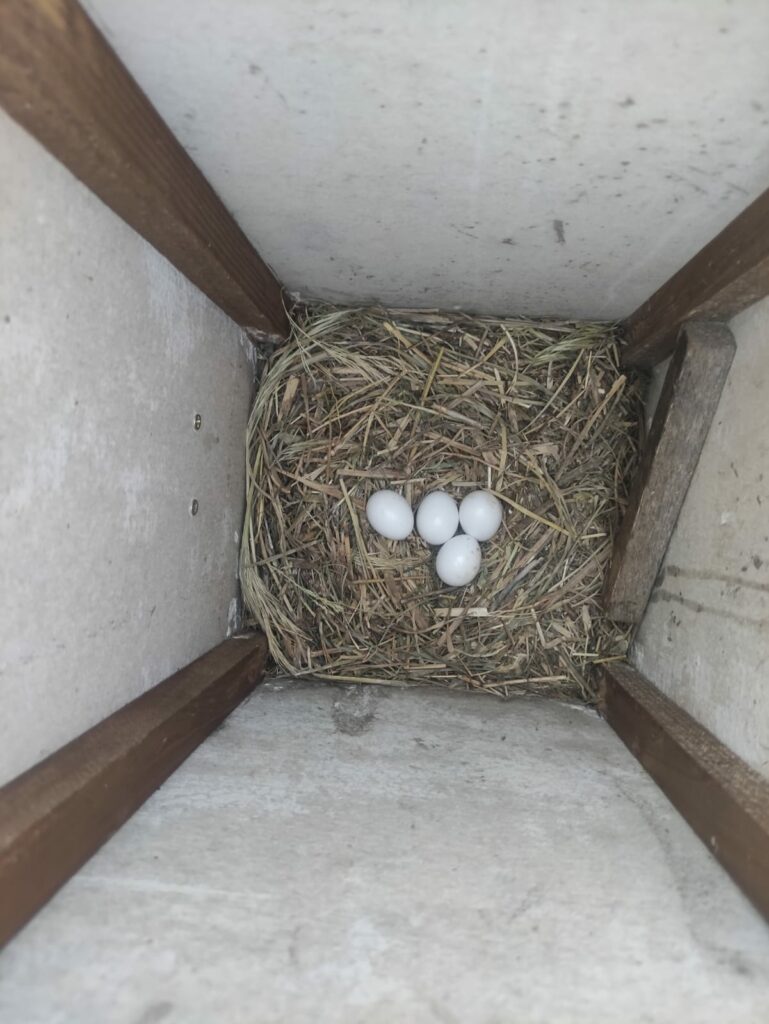
Not only does the roller not construct its own nest, but it also does not bring any nesting material into the cavity. Its eggs are porcelain white and oval-shaped. A clutch usually contains 2 to 6 eggs, with 4 being the most common number.
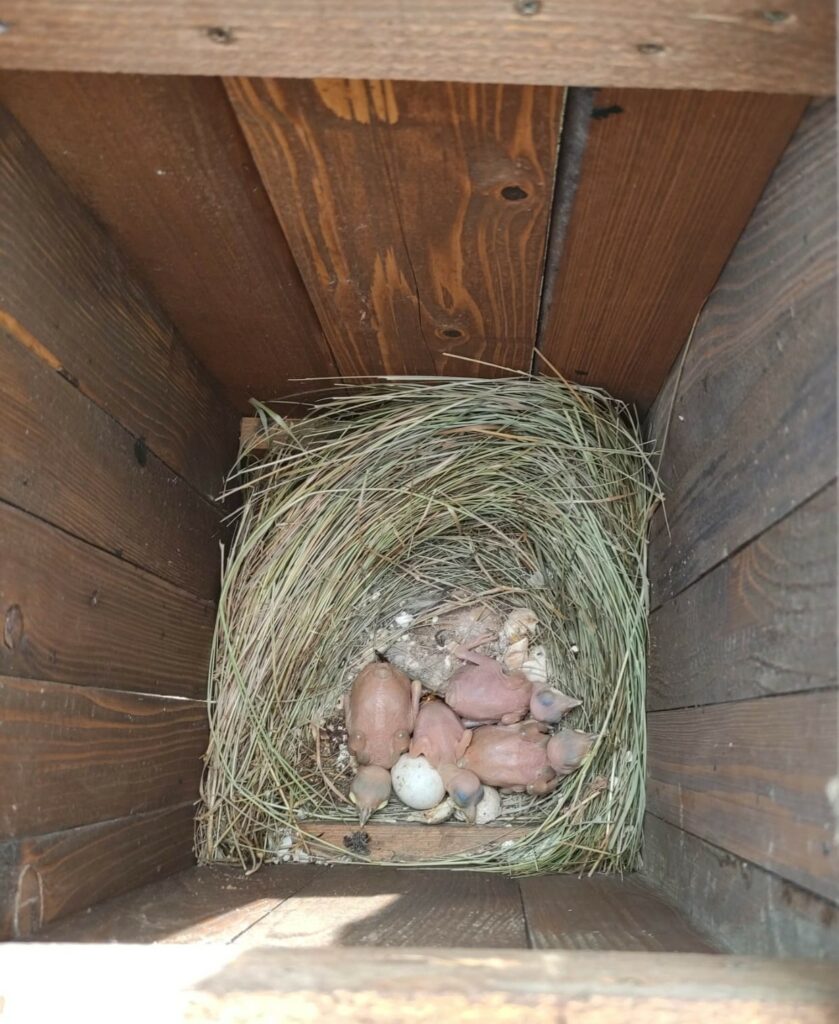
During the breeding period, both the female and the male take turns incubating the eggs. After approximately 17–19 days, the first chicks hatch. The attentive parents share all the care duties: both feed and protect the young. The chicks typically remain in the nest for about three weeks before taking their first flights and becoming independent.
But what happens if they can’t find a suitable nesting site?
More than ten years ago, in north-western Romania, the number of open tree groups declined drastically, poplar trees disappeared, and as a result, the roller population also diminished in the area. We did not ignore these negative changes – we took action.
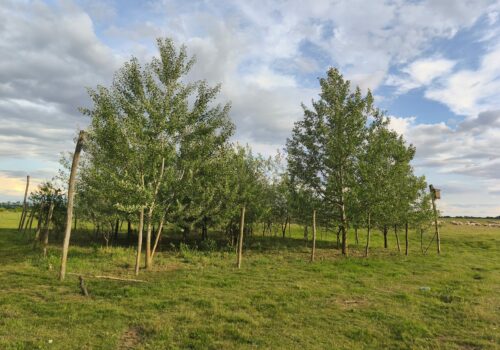
Between the spring of 2018 and March 2019, in the framework of the “Conservation of the European Roller in the Carpathian Basin” project we planted 3,000 grey poplar saplings to restore suitable habitats for the birds.
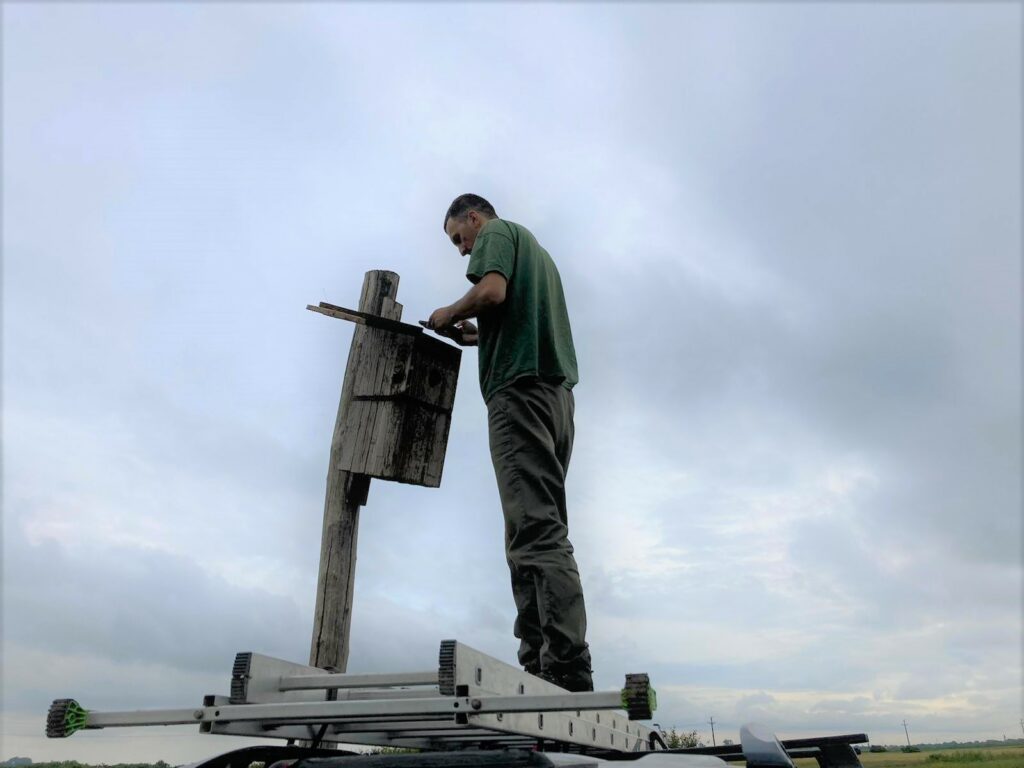
We also supported nesting by installing artificial nest boxes – a total of 850 boxes were placed across the region. Since then, we have regularly replaced those that have deteriorated or been damaged, to ensure that rollers have safe places to raise their young.
You too can help us continue this work and provide secure nesting habitats for this strikingly beautiful bird!