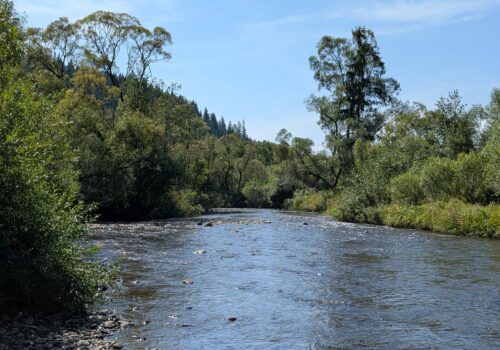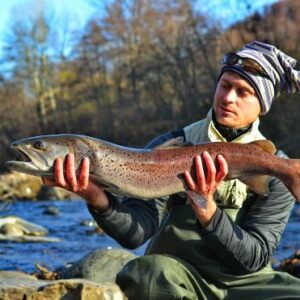
“The Mureș River is one of the best-preserved rivers in the country and hosts a rich diversity of fish species. Here, we have identified 24 species, of which 8 are part of the Natura 2000 network and 4 are included on the Red Book of vertebrates in Romania.”says ichthyologist Nagy András Attila, who conducted a study on the fish fauna of this river section and its tributaries.
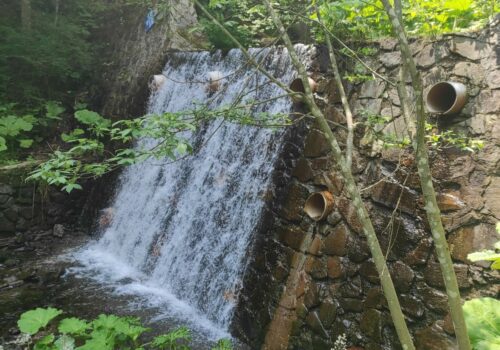
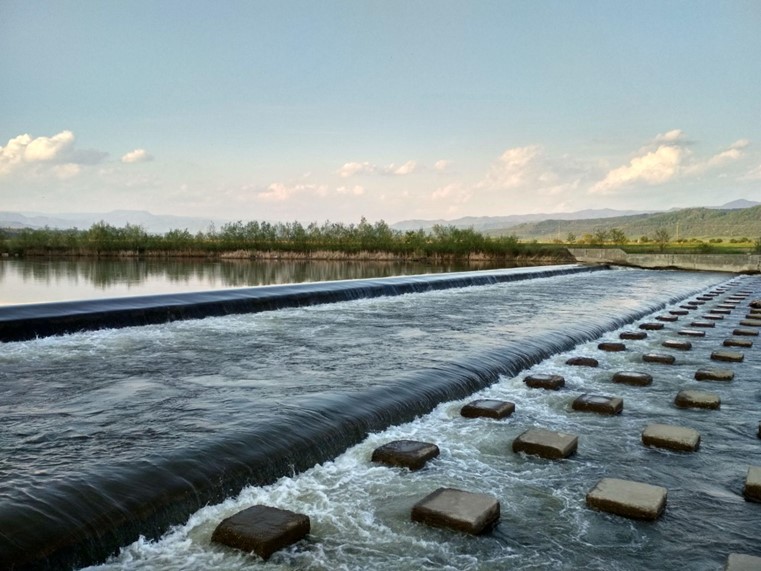
Despite its natural value, the connectivity of the Mureș River and its tributaries, from its source to Reghin, is affected by numerous dams and small barriers, most of which are outdated and no longer serve their original purpose. These obstacles block fish migration, affect water quality, and reduce the resilience of aquatic ecosystems.
The project “Identifying barriers for removal to restore habitats and biodiversity in the Upper Mureș Basin”, funded by the Open Rivers Programme, was born out of the desire to restore river connectivity and facilitate fish migration. The European Open Rivers Programme is a Dutch grant-giving organisation dedicated to restoring rivers. The programme offers grants to support projects that lead to the removal of small dams and the restoration of river flow and biodiversity. The programme is funded by Arcadia.
The first phase of the project, implemented by the Romanian Wilderness Society together with Milvus Group, in collaboration with Fauna & Flora International, involved mapping and analysing over 550 km of river and tributaries.
Specialists from the three organisations (SRS, Milvus Group, Fauna & Flora International), together with volunteers, surveyed the riverbanks and tributaries and identified 185 obstacles. All their characteristics were entered into the OpenFishMaps database, and based on this data, an interactive map accessible to the public was created.
Field assessments allowed us to identify all existing obstacles along this river section and its tributaries, from large dams to drainage channels and fords, and to determine which have the greatest impact on habitat connectivity.
Following the evaluation of the ecological impact of the main obstacles, the next step is to propose the removal of the Ciumani weir, one of the structures with a major impact on river connectivity. This barrier affects the migration of 15 fish species, including species listed in the Red Book of vertebrates in Romania, such as the Carpathian lamprey (Eudontomyzon danfordi), the Burbot (Lota lota), and the Grayling (Thymallus thymallus). It’s removal would restore connectivity along 143 km of river.
In the coming period, we aim to work in collaboration with the Ciumani Municipality, the Harghita Environmental Protection Agency, and non-governmental organisations active in the area to secure funding for the renaturalisation of this river section and the improvement of habitats. The planned interventions would include reconnecting meanders and floodplain areas, contributing to the restoration of the river’s natural functioning. These actions will bring direct benefits to the local community by increasing resilience to climate change, reducing flood risks in spring, and mitigating drought effects during summer.