Grasslands home to European ground squirrels, nesting sites for birds, wetlands where otters find food, or fields where bees and other insects can thrive. All of these are part of a bigger story: Natura 2000.
In the 2026–2027 school year, this will be the main theme of our environmental education activities. We want to help children discover what lies beyond the term ‘protected area’.
Why did we choose Natura 2000?
Natura 2000 is the European Union’s coherent ecological network and the world’s largest system of protected areas with a unified regulatory framework, covering 18% of Europe’s land area. Our aim is to show that nature conservation does not simply mean strict restrictions, but finding a balance between sustainable, traditional and economic activities and the conservation of biodiversity. Our programmes help students develop a broader understanding and build green skills.
Choose the format that works for your group
Do you only have one hour? Or would you like to build a programme together for the whole school year? We offer both options. Milvus activities can be organised as one-off sessions or as a regular programme consisting of five thematic modules.
For groups choosing the regular programme, each session explores a new topic:
- How does nature prepare for winter? – Identifying tree species, leaves and fruits. Arts and crafts using natural materials, and learning about the process of hibernation.
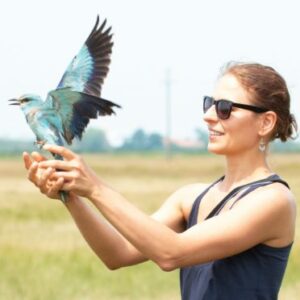
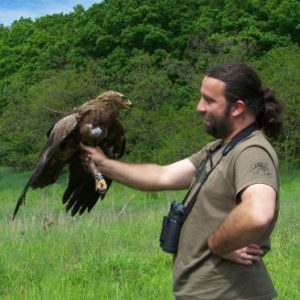
- Iconic Natura 2000 species – Discovering grassland wildlife and protected birds, including the European roller, European ground squirrel, Eastern imperial eagle and Saker falcon.
- The secrets of wetlands – Exploring different types of bird nests and beaks, learning about the lifestyle of the otter, and making animal footprints.
- Gardens full of life – Practical nature conservation: the role of bees and earthworms, different types of soil, planting lavender and building insect hotels.
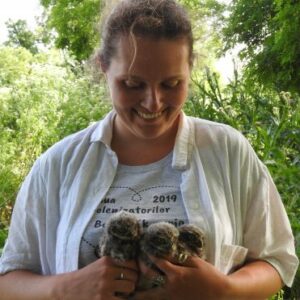
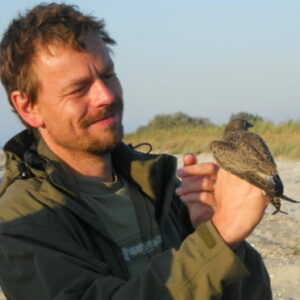
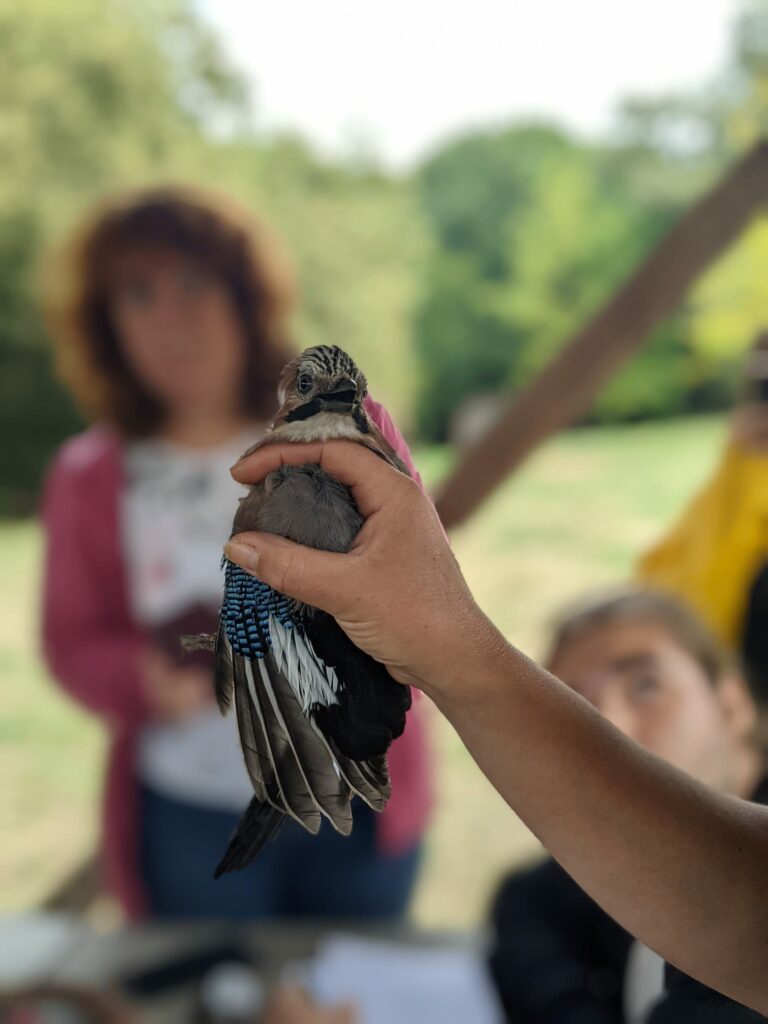
- Field research and exploration – Bird ringing, a visit to the Milvus Wildlife Rehabilitation Centre or a guided nature walk.
More than a lesson: play, exploration and skills for life
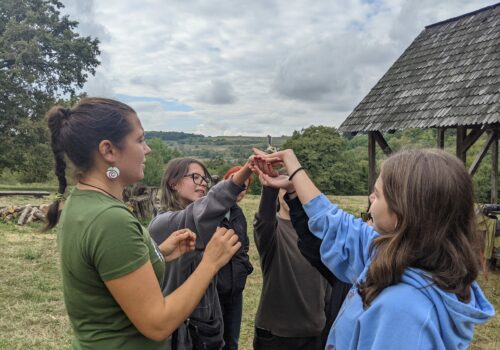
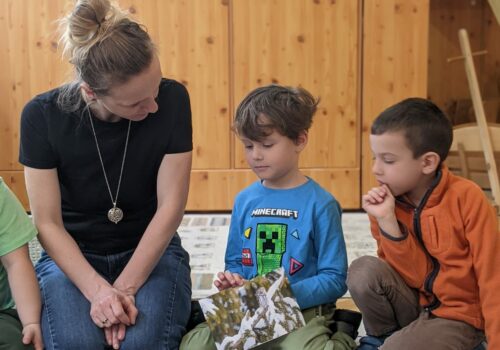
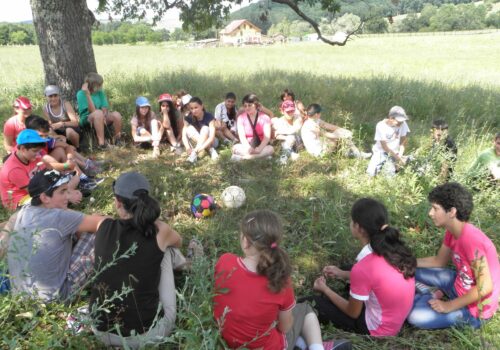
We adapt each activity to the children’s age, making learning accessible, engaging and practical. With younger children, we use play, stories and exploration, while with older pupils we place greater emphasis on observation, critical thinking and problem-solving.
We use real, natural materials such as feathers, nests and soil samples and, whenever possible, take our learning outdoors, discovering directly through observation.
In this way, children do not simply acquire information, they also develop observation, collaboration, initiative and problem-solving skills. Practical activities such as planting or building insect hotels help them turn what they have learned into action.
A personal experience
We believe in small steps. One of our former kindergarten pupils, who had special educational needs (SEN), withdrew into their own world during their first activity, holding a felt bird. By the end of the second year of regular activities, through patience and consistency, they had become fully integrated into the group and an active and attentive participant in the sessions.
To sign up, please call: 0736 347 601 or 0745 532 535.