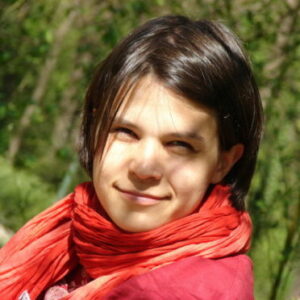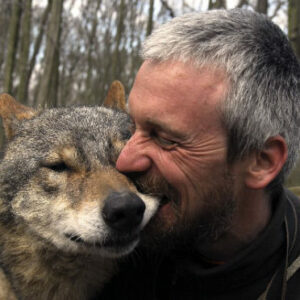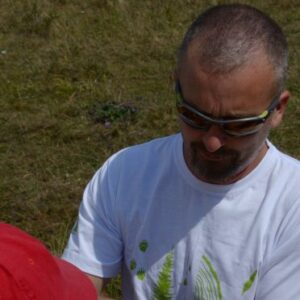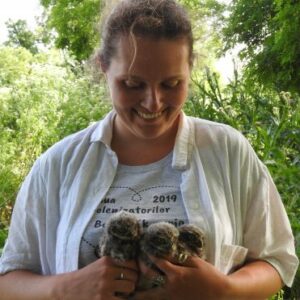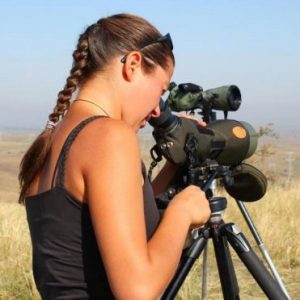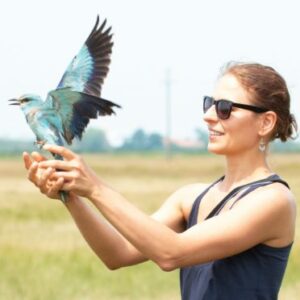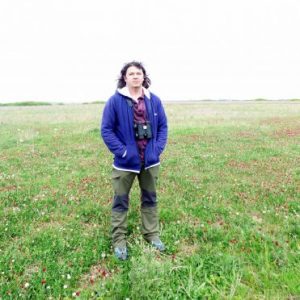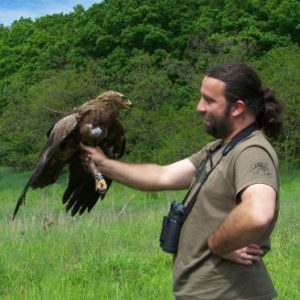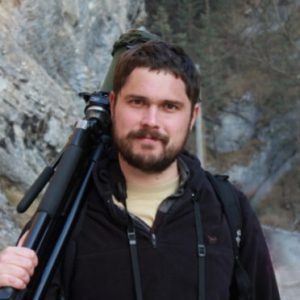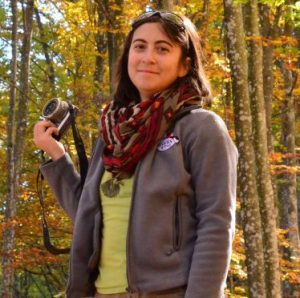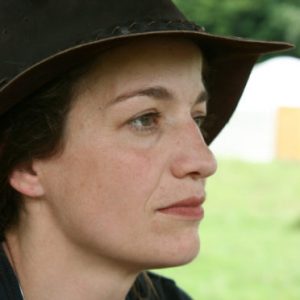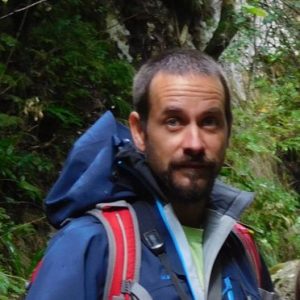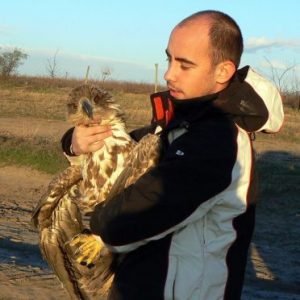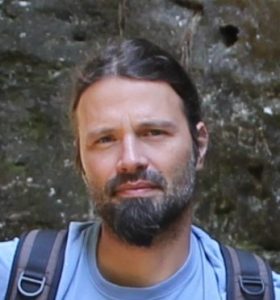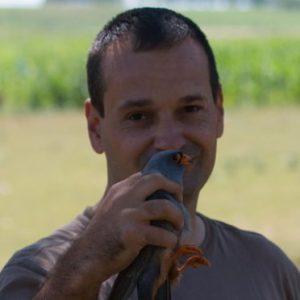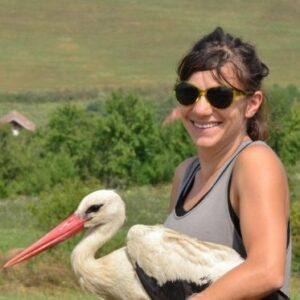
Recently, we were visited by a veterinary team from the region of Asturias, Spain. The team, consisting of two veterinarians and an assistant, born in Romania. The visitors wanted to learn how the rehabilitation of injured wild animals is organised in our country.
There are significant differences — one could say “as wide as the sky and the earth” — between how the two countries approach wildlife rehabilitation. In Spain, this service is highly organised, with responsibilities shared between the central administration, the autonomous communities, and non-governmental organisations. Each region, including Asturias, has its own wildlife recovery centre, financed by public funds, that is, by the state. The size of these centres and their working procedures vary from one region to another.
In Romania, there is no public service of this kind. Only a few centres exist, including the Wildlife Rehabilitation Centre of the Milvus Group, which cares for animals in need. All this work is carried out on a voluntary basis, funded through private sources and donations, without any governmental support.
While in Asturias injured animals found by citizens are collected by a ranger, in Romania such animals reach us thanks to kind-hearted people who bring them at their own expense. In Spain, rangers are also responsible for releasing rehabilitated animals back into the wild. The list of differences between the approach of the two countries could go on.
However, our meeting with the Spanish veterinary team was not discouraging — quite the opposite. We too have many reasons to be proud:
- an excellent collaboration, lasting 18 years, with the Vets4Wild Association, without which injured animals would not receive medical treatment;
- a network of veterinarians across the country who altruistically provide first aid to injured wild animals found nearby;
- citizens who dedicate their time or even their money to help animals reach our centre;
- and our colleagues, who are deeply involved in the transport, care, and feeding of these animals.
Our meeting began at the Vets4Wild Association, where, together with Dr. Borka-Vitalis Levente, we presented how our collaboration works. The team from Spain asked for advice regarding the rehabilitation of bears, particularly cubs. Although the bear population in their area is much smaller than in Romania, an increasing number of cubs are now being taken into their care, and they lack experience in rehabilitating such large mammals.


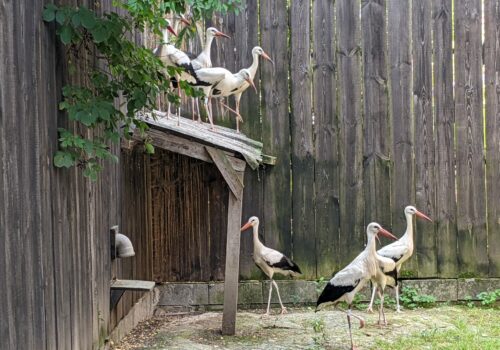
The visit was concluded at our centre, where our guests had the opportunity to see the aviaries built by volunteers and painted by students from the Târgu Mureș Art High School, and we exchanged contact details to collaborate and offer mutual support in the future.