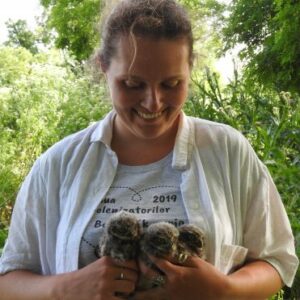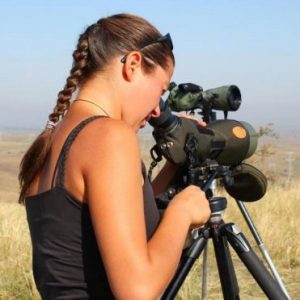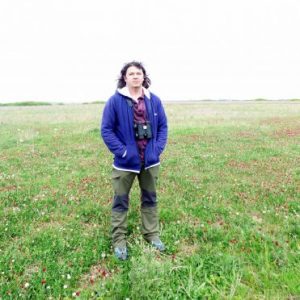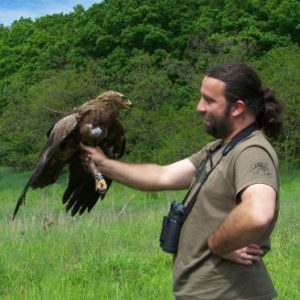
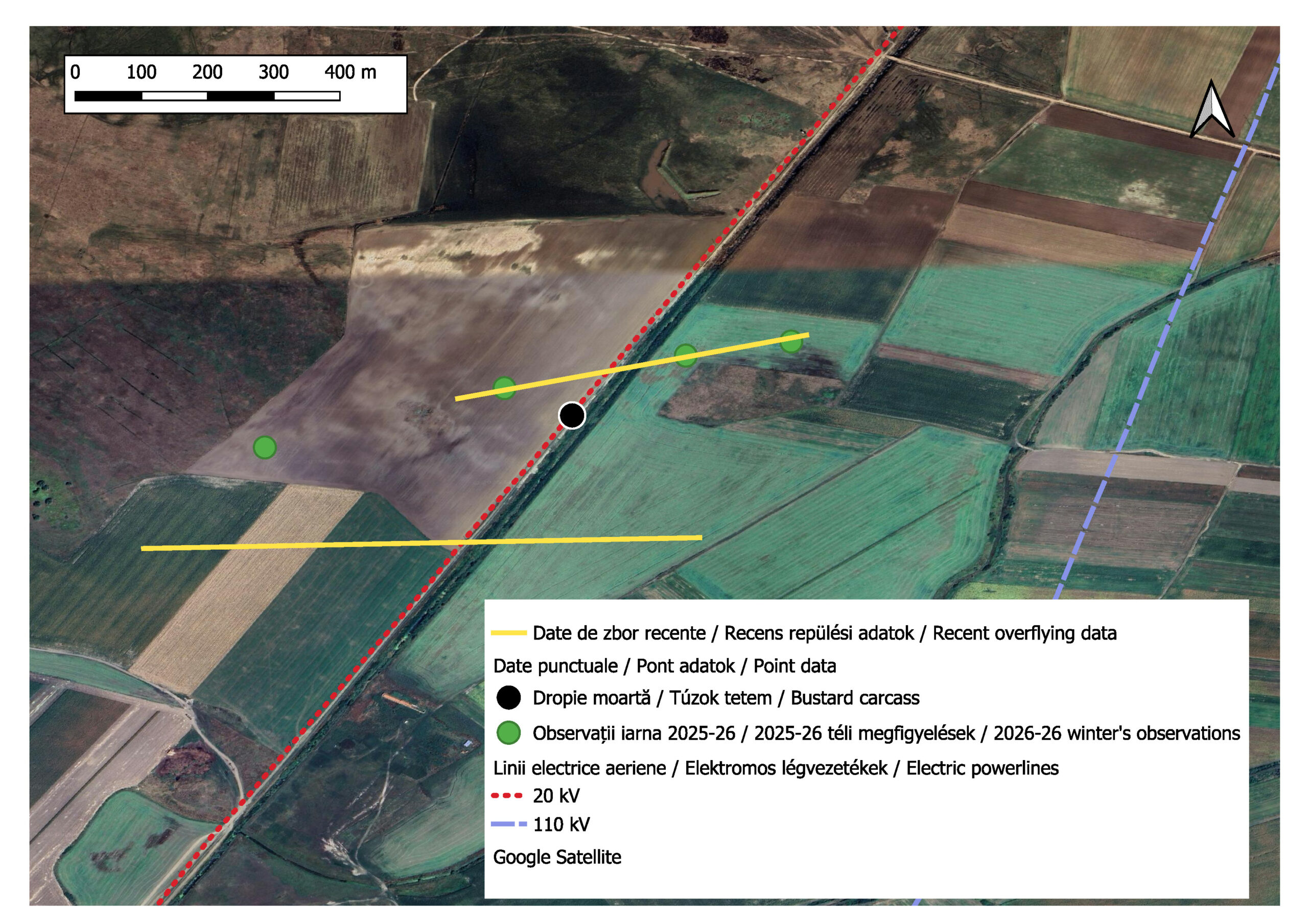
During March, Mădălina Cotuț a staff, member of the Bustard Nest Visitor Centre in Salonta and Claudiu Valentin Cotuț discovered the remains of a dead Great bustard beneath a 20 kV-voltage overhead power line. The investigation confirmed that the death of the male bird was indeed caused by a collision with the line.
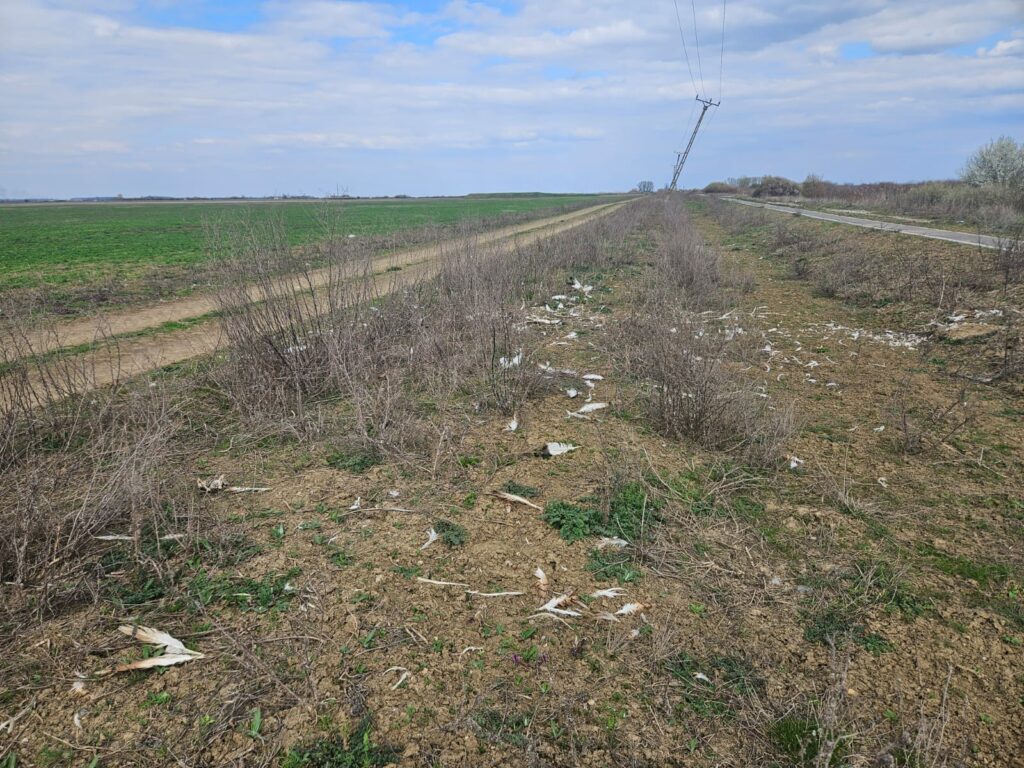
Although, based on international experience, we were confident that this was most likely not the first such incident, it had not been proven until now. This therefore represents the first documented case in Romania, reinforcing the need for further measures to address this highly dangerous mortality factor at a local level.
What is the situation of the Great bustard population in Europe?
Globally, the Great bustard population is declining year after year. Over the past 16 years, the global population has decreased by more than 34% (34% (from 44-57 thousand to 31-36 thousand individuals). This negative trend is also characteristic of Europe. Collisions with overhead power lines, particularly those of high and medium voltage, result in the deaths of numerous birds.
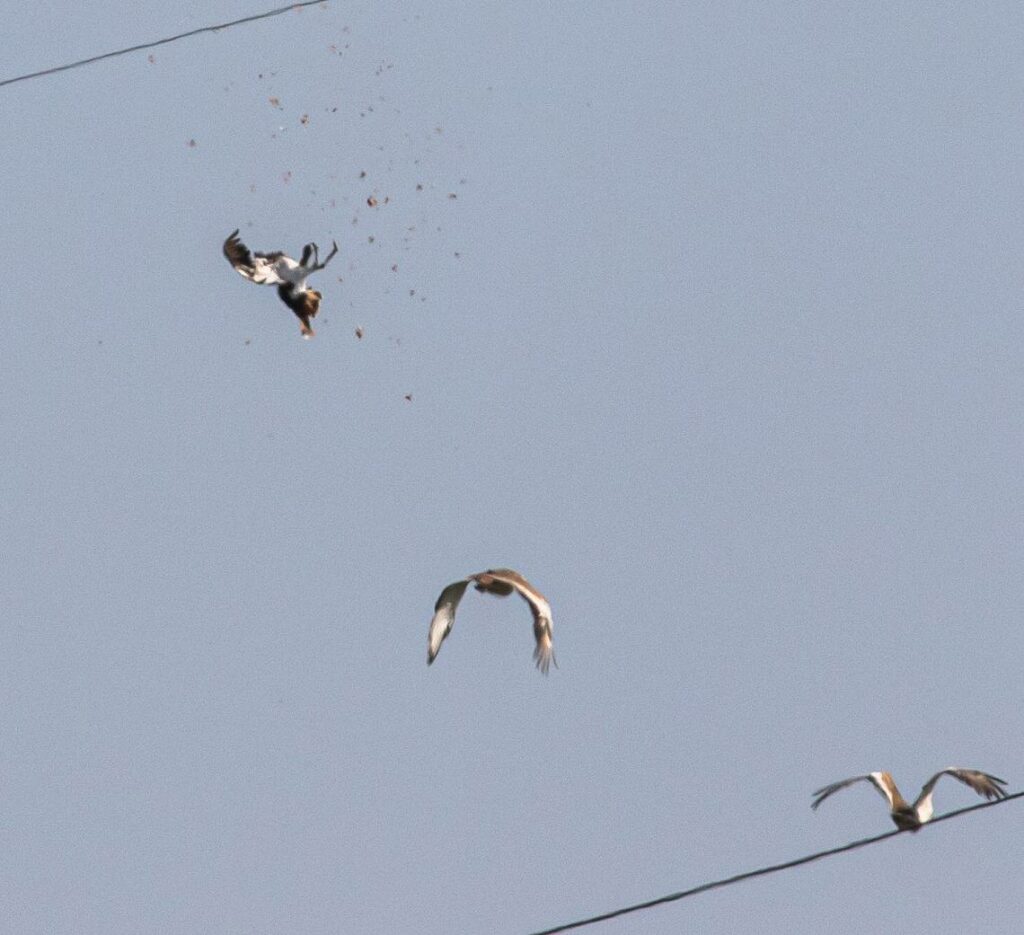
Although the Great bustard is capable of strong and frequent flight, its manoeuvrability is limited by its large body mass and wide wingspan, which makes it prone to collisions with powerlines.
What is the outcome of such incidents?
In the case of the Great bustard, such accidents almost always result in the death of the individual. Even if injuries are not immediately fatal, they typically lead to damage that sooner or later – directly or indirectly (for example, due to increased vulnerability to predators), results in the bird’s death.
What is the solution?
One of the key elements of Great bustard conservation is reducing mortality caused by collisions. It is no coincidence that this activity ranks first in the medium-term action plan of the Memorandum of Understanding on the Conservation and Management of the Middle-European Population of the Great Bustard.
Important conservation measures include careful planning of new electricity networks, replacing existing overhead lines – primarily medium-voltage, and more rarely high-voltage – with underground cables, or, as a last resort, increasing the visibility of the powerlines.
What has Milvus done/is doing?
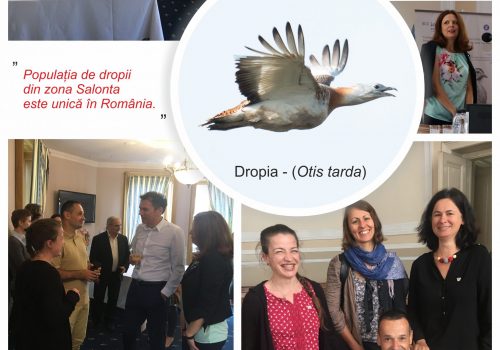
In Romania there is only one viable population left in Romania, in the Salonta area (Bihor County) near the Hungarian border.
A few years ago, in a previous project, in cooperation with the Municipality of Salonta, we implemented such a conservation measure for the first time in Romania: six kilometres of overhead line were replaced with safe underground cable near the most important great bustard habitats in Romania.
However, this type of development is very costly (approx. EUR 50,000 per km), and tens of kilometres of hazardous lines still cross great bustard habitats around Salonta.
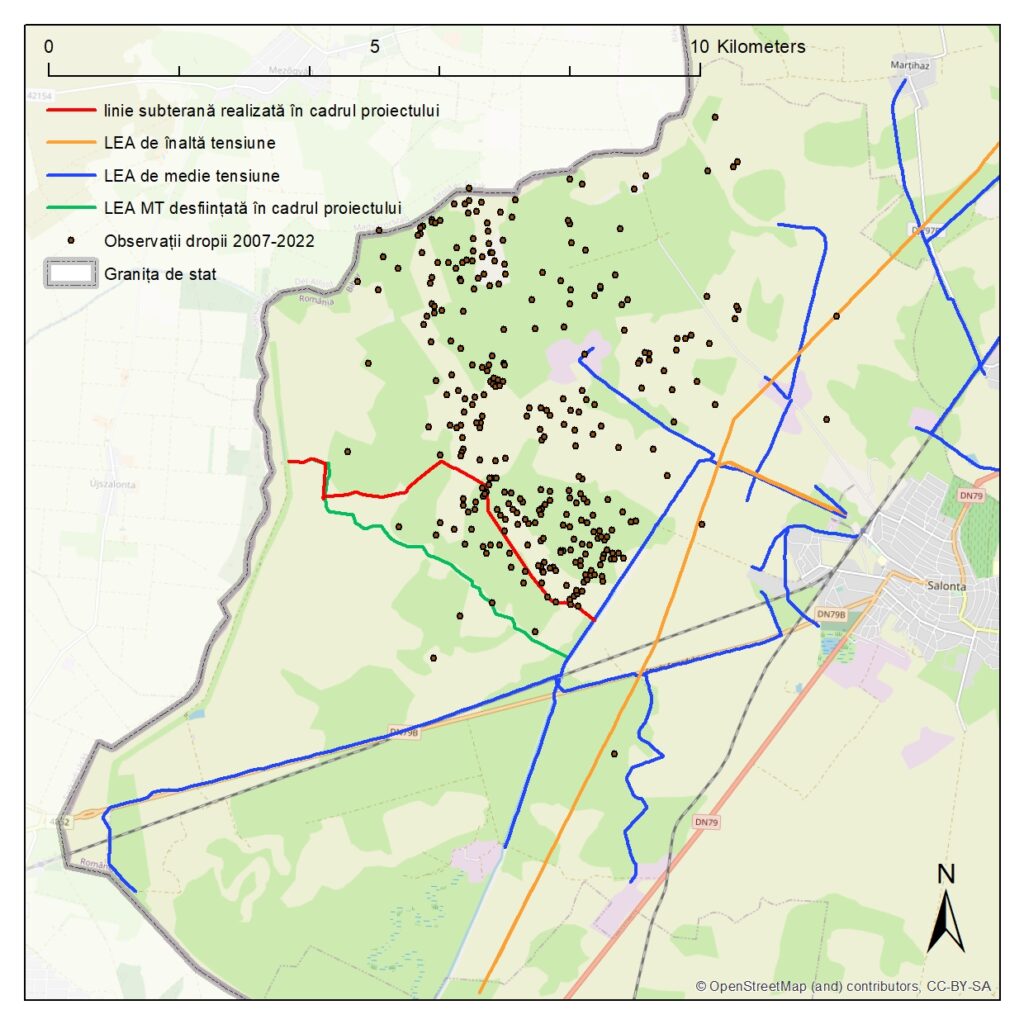
Within the international Eurobustard LIFE conservation project launched last autumn, we plan to install bird flight diverters on a section of the 110 kV high-voltage line in Salonta, with the approval of the responsible electricity provider (DEER). These devices are clearly visible to bustards and can significantly reduce the risk of collision.