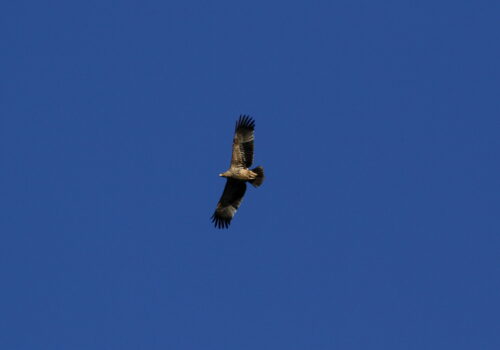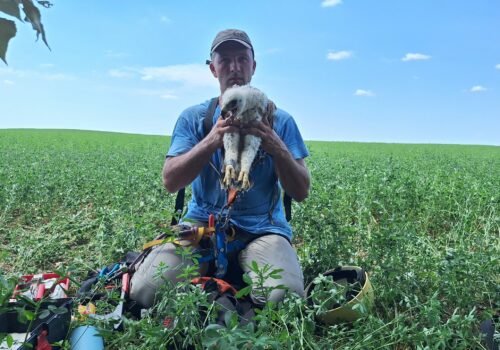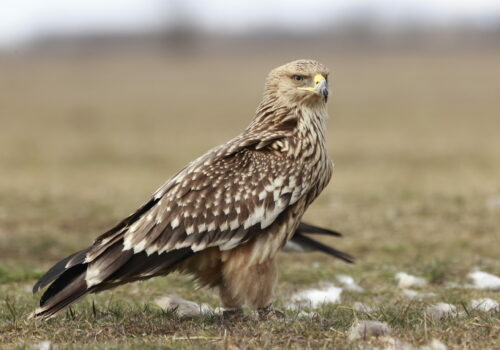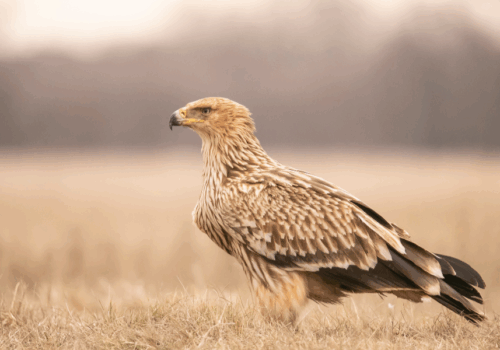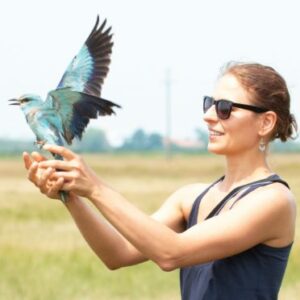
Our ‘Endangered Species of the Year’ programme continues in 2027. This time, we are putting the Red-footed Falcon in the spotlight – a small bird of prey typical of lowland areas, which nests in colonies and migrates in flocks.
The Milvus Group has been involved in research and conservation efforts for the Red-footed Falcon for many years. For example, 20 years ago, a LIFE project dedicated to the protection of this species was launched. Through this project, we laid the foundations for conservation measures targeting populations at the western edge of the species’ Romanian range, in the lowland areas of Crișana and Banat.
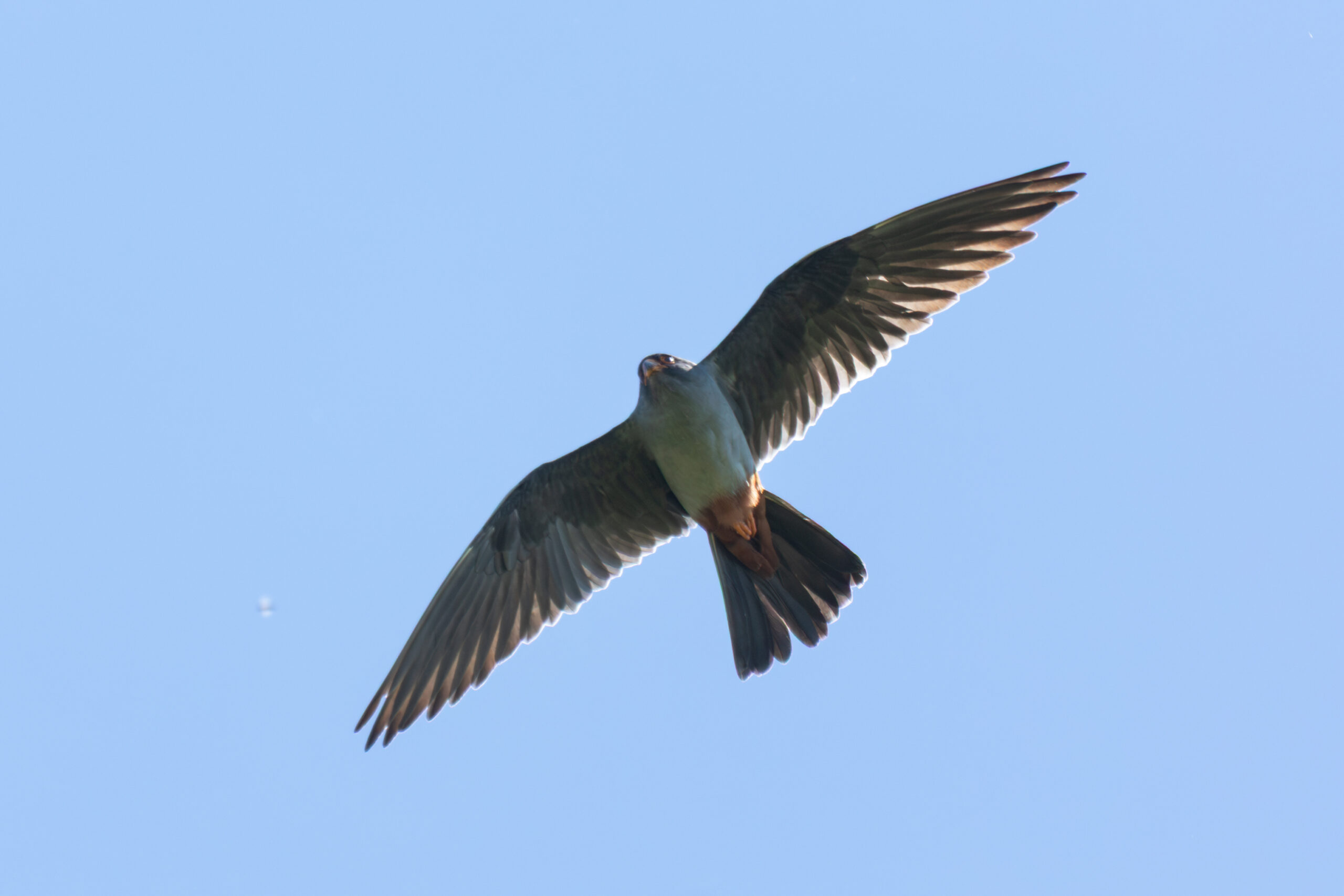
There are also numerous Natura 2000 sites all over in Romania, designated primarily to protect Red-footed Falcon breeding colonies. The Milvus Group contributed to the designation of these sites as well.
Although we carry out activities dedicated to this species every year – such as maintaining the artificial nest boxes installed in three breeding colonies in Crișana, or conducting synchronised monitoring of the Red-footed Falcon roosts that form before the autumn migration – we felt that the time had come, and that there was a real need, to devote more attention to the research and conservation of this species in 2027 than we could normally afford through our own resources.
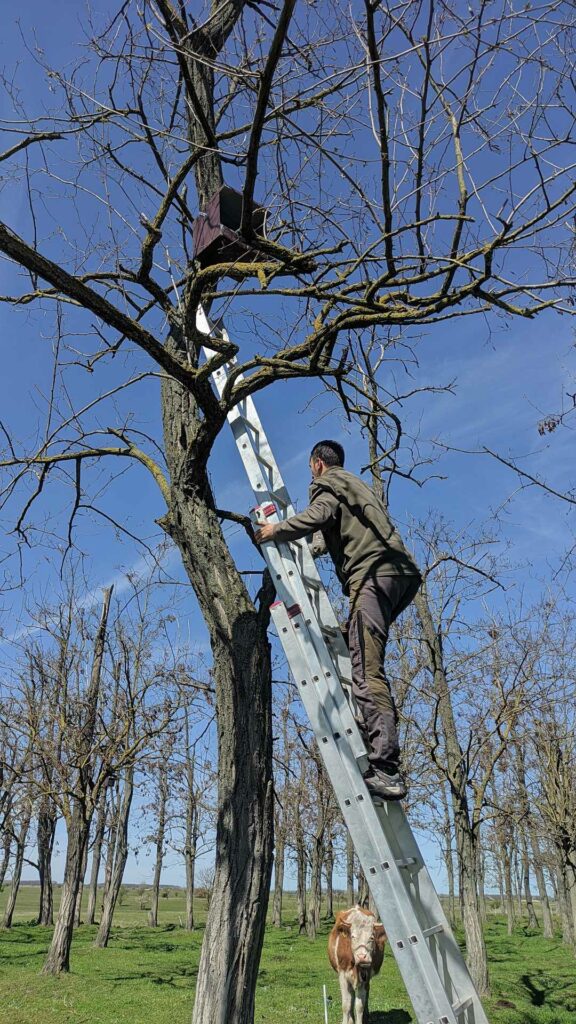
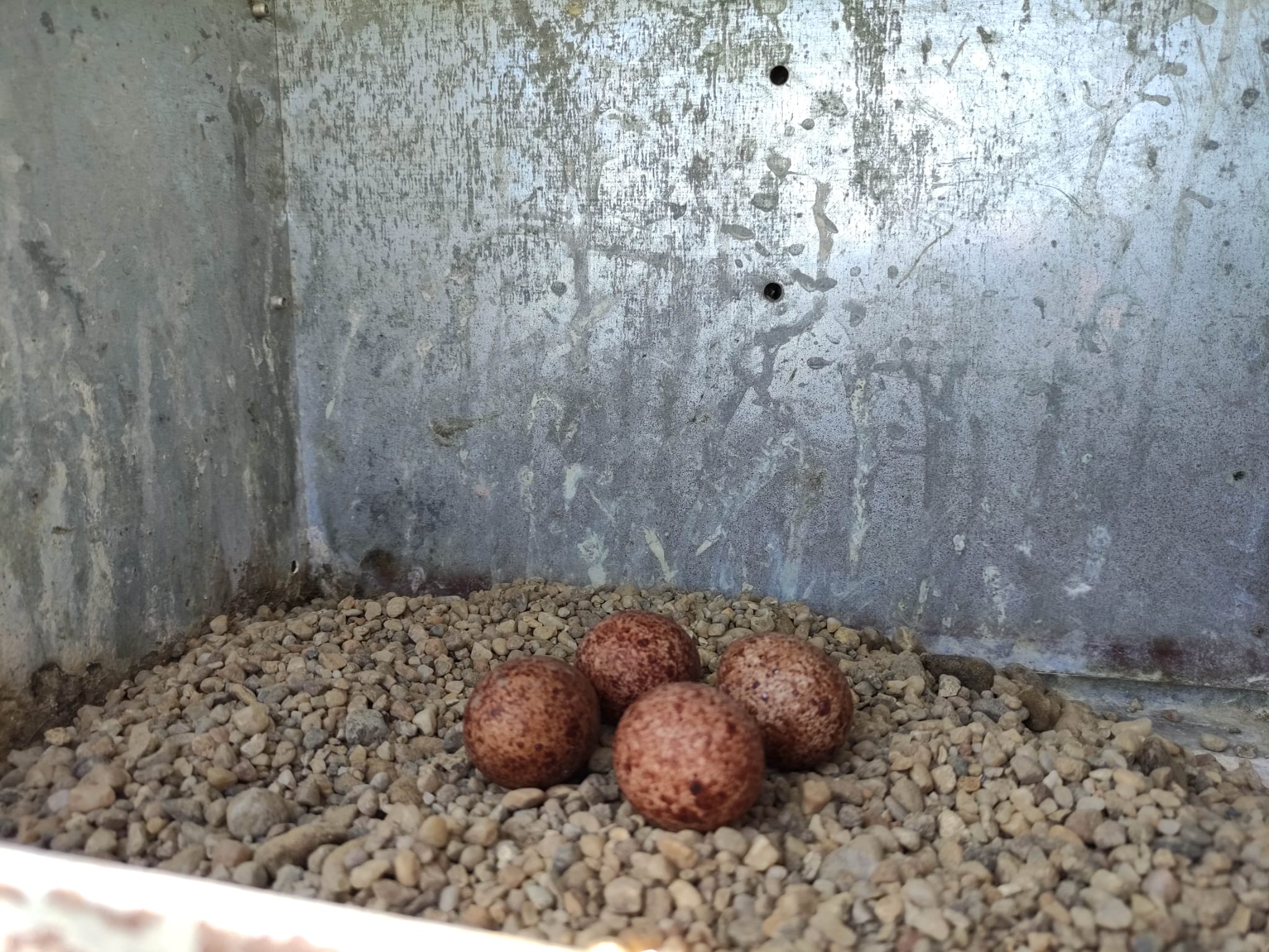
As part of the ‘Endangered Species of the Year’ programme, we plan to carry out the following activities in 2027:
- organise a competition for students from technical universities, inviting them to design a durable artificial nest box model that will provide safe nesting conditions even under changing climatic conditions;
- manufacture and install approximately 150 next-generation artificial nest boxes in two breeding colonies in Crișana, replacing the old ones, installed 15–20 years ago, which are now in a very advanced state of disrepair;
- the trees in the two breeding colonies in Crișana are ageing and drying out due to drought. We will plant young trees nearby, in carefully selected locations, involving local communities to give the saplings a better chance of survival under increasingly hot and water-deficient climatic conditions. In this way, we will help ensure the long-term survival of the breeding colonies;
- assess the current status of the breeding colonies in Crișana and Banat identified between 2006 and 2009, and inform the environmental authorities so that the colonies that still exist can be protected;
- continue monitoring autumn gatherings of Red-footed falcons in Crișana and Banat as part of the wider Carpathian Basin monitoring programme, with a stronger focus this time on identifying previously unknown communal roosting sites;
- in collaboration with the Falcopolis project, contribute to the practical protection of the mega-roosting site in Angola, which is home to virtually the entire global population of the species, as well as to the research activities carried out within the programme;
- building on the experience gained in Angola, equip several Red-footed falcons that breed in or migrate through Romania with satellite transmitters, in order to learn as much as possible about their migration routes and the threats they face along the way.
‘The Red-footed Falcon is an iconic bird of the steppes and open landscapes. According to the information currently available, Romania is home to the largest breeding population of Red-footed Falcons in the European Union, and two major migration routes used by the species cross our country. As a long-distance migrant, the Red-footed Falcon faces numerous threats not only in its breeding areas, but also along its migration routes and in its wintering grounds in Africa, making it particularly vulnerable. We therefore consider it a priority to contribute, through our conservation and research activities, to the long-term preservation of Romania’s breeding population and, consequently, of the entire European population of this species.’ – Attila Nagy, biologist and coordinator of the ‘Endangered Species of the Year 2027’ programme.