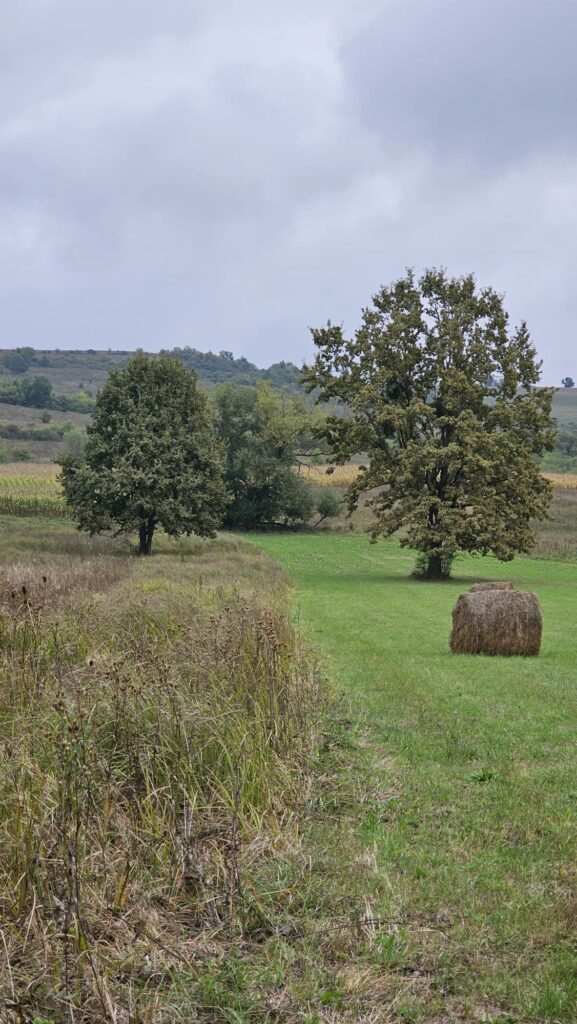
Over the next six years, the Milvus Group will work to restore 150 hectares of grassland in the Târnava Mică–Bicheș Natura 2000 site. This activity is part of the DiverSEED project, which aims to restore nine priority habitat types in Romania and Slovakia.
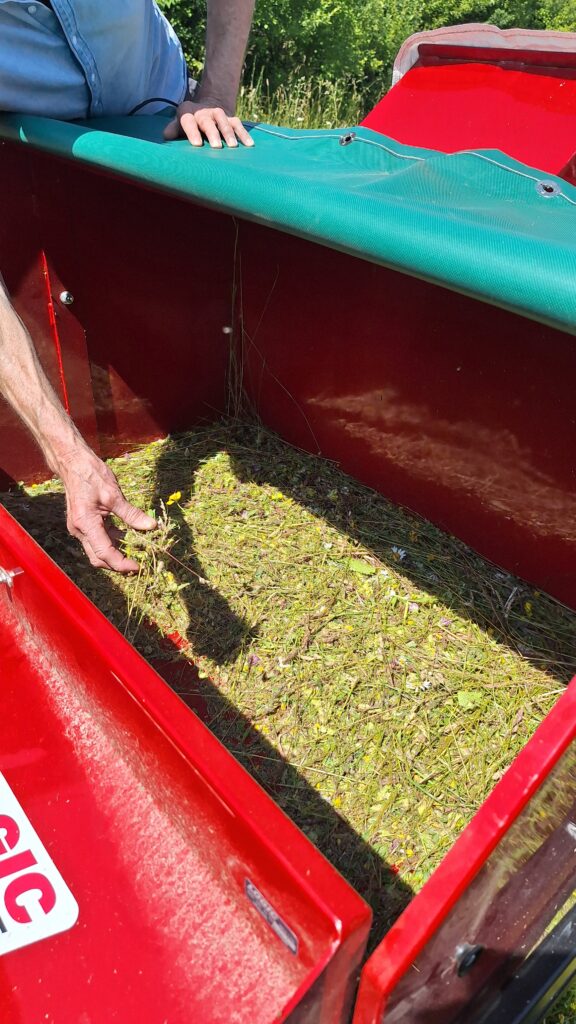
Beyond the direct restoration work, the DiverSEED project significantly contributes to improving or maintaining the favourable conservation status of grasslands. This is supported by the introduction of an innovative and sustainable seed collection method, allowing seeds to be gathered from protected areas. These seeds are then used to overseed degraded grasslands, helping to restore them to a favourable ecological condition.


The main objectives are:
- Developing, demonstrating, and promoting the use of best practices in grassland conservation, combining traditional habitat management with innovative methods to restore species composition and enhance ecosystem resilience.
- Strengthening governance and collaboration in nature conservation by building the capacity of public and private stakeholders, particularly farmers, and actively involving them in habitat restoration efforts. This includes fostering knowledge exchange, promoting sustainable land management practices, and increasing public awareness through education and outreach.
- Expanding the large-scale adoption of effective restoration approaches by replicating successful methods in new locations, integrating biodiversity-friendly practices into agricultural and land management policies, and encouraging investment in sustainable restoration initiatives. By supporting the use of locally adapted seed mixtures and other ecological solutions, the project ensures long-term benefits for both nature and communities.
Specific project goals include:
- Implementing necessary actions to restore at least 920 hectares across 33 Natura 2000 sites in Romania and Slovakia;
- Restoring small but ecologically important habitat patches in 85 localities;
- Planting 2,500 individuals from the ten most threatened plant species found in the targeted habitats;
- Collecting seeds from target areas and creating habitat-specific seed mixtures for restoration in Romania;
- Gathering scientific data on the targeted habitats;
- Assessing the vulnerability of these habitats and the effectiveness of current agri-environmental schemes;
- Involving farmers in habitat restoration activities.
The Romanian project partner is the Adept Transilvania Foundation, which is implementing this project together with two partner organisations – the Milvus Group and Agri-Cultura-Natura Transilvania Association.
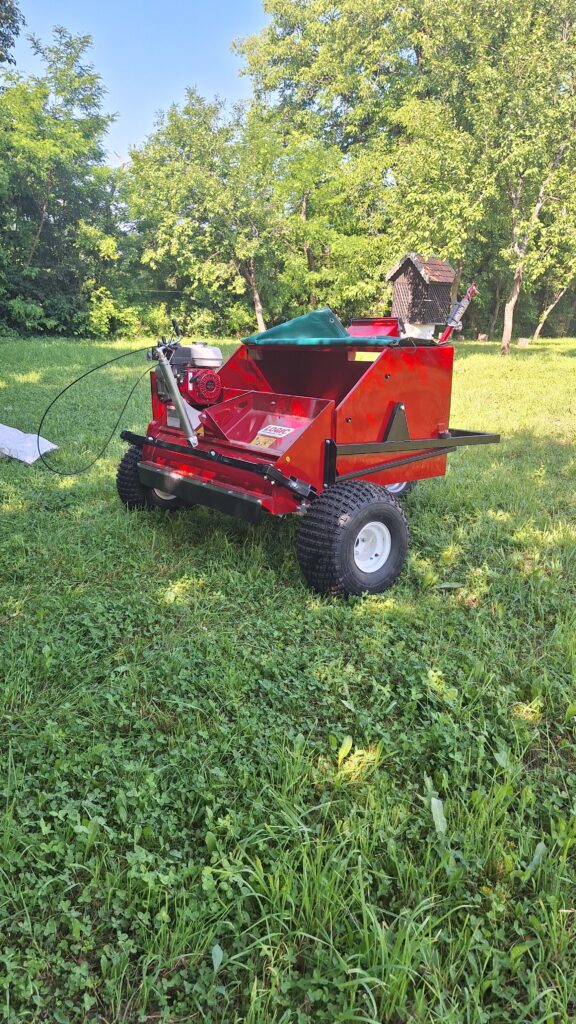
In May, following the developed methodology, we began the botanical survey of the grasslands. Subsequently, in mid-June, the first seed harvesting machine arrived in Romania and was presented in Angofa, near Sighișoara, by the British expert Harvey Sherwood.