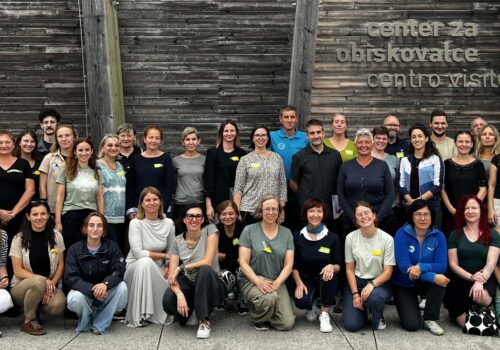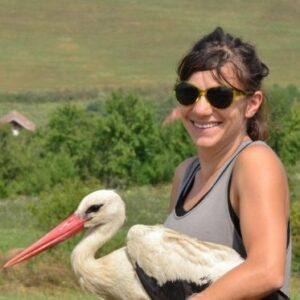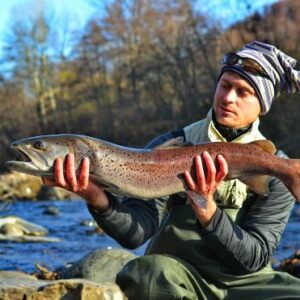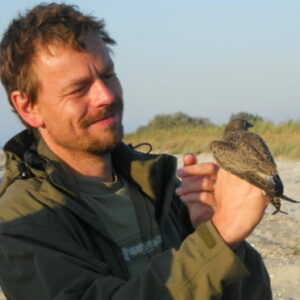
Through the international CREA+BIRD project, in which we participate alongside our partners from Romania, Finland, Slovenia and Italy, we set out to develop an educational module based on four activities , one for each season. This module, developed by teachers, researchers and specialists in environmental education, will become a teaching tool enabling educators to address the topic of sustainability and to foster green competences among students through innovative methods.
At the end of 2025, we piloted the autumn activity, developed by our team, with Year 6 and Year 7 students. Its main theme was the aquatic habitat, approached from the perspective of biodiversity and the ecosystem services it provides.
Naturally, with the change of season, our attention turned to the specific challenges of winter. Thus, the winter activity of the Erasmus+ CREA+BIRD project focused on feeding birds during the cold season. This activity provides a valuable educational context, as it enables students to closely observe the species visiting the bird feeder, analyse their behaviour, and more easily identify their distinctive characteristics.
The 12–13-year-old students of “Kiss Gergely” Secondary School in Păsăreni (Mureș County) explored the basics of winter bird feeding, addressing questions such as: Why do we feed birds in winter? When and with what should they be fed?
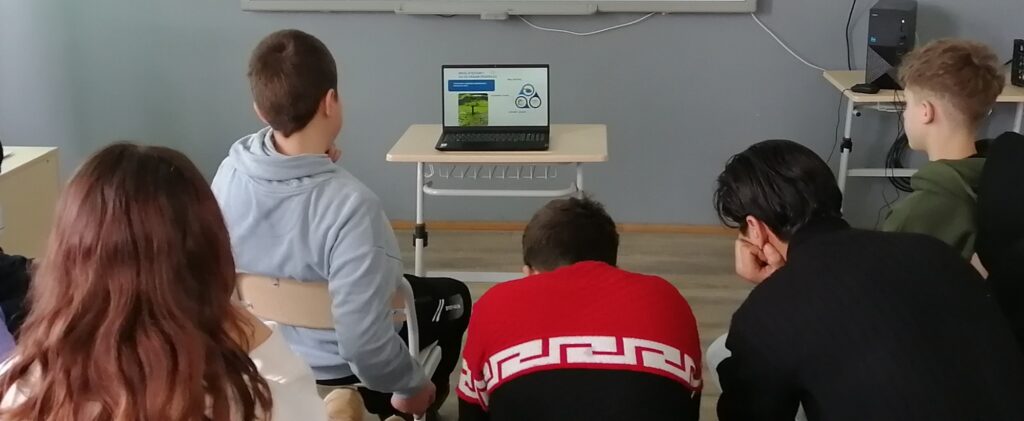
The activities placed strong emphasis on species recognition and protection. Among the winter visitors to the feeder, particular attention was given to the blue tit, the house sparrow and the blackbird, analysing their distinctive features. Through stories, students discovered the habits and symbolism associated with these species: the blackbird symbolises renewal, the house sparrow represents simplicity, modesty and loyalty, while in the Finnish national epic Kalevala, the blue tit offers agricultural advice to the farmer. Legends, folk tales, national epics and contemporary songs created an inspiring atmosphere and stimulated the desire to create.
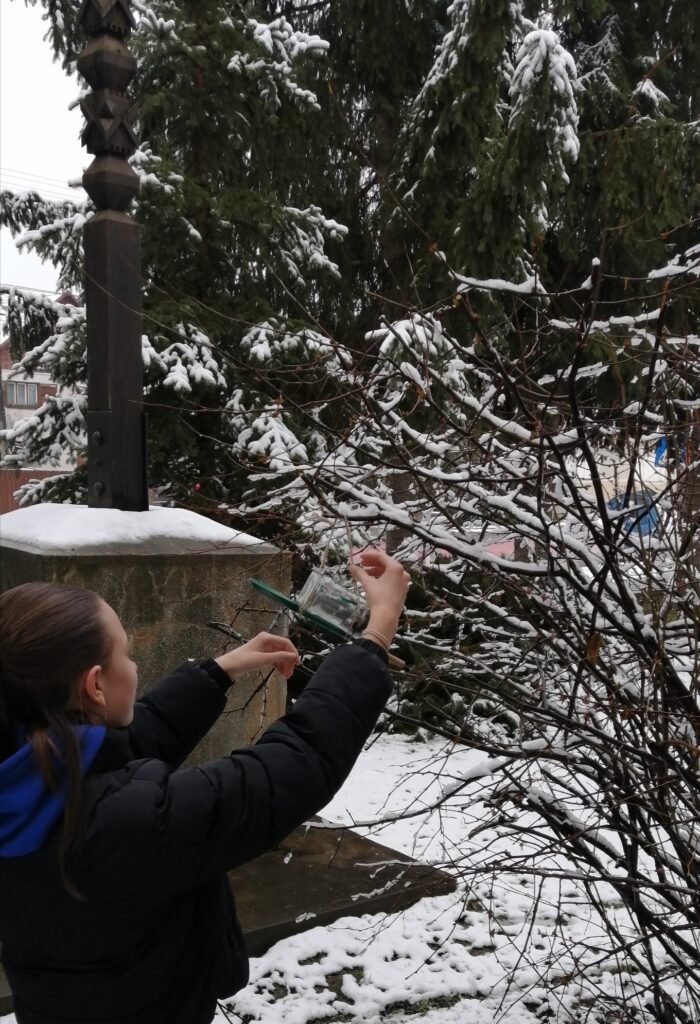
The aim of this was to strengthen, through experiential learning, a sense of responsibility towards nature. At the end of the programme, the students placed the bird feeder they had made in the school courtyard, thus transforming learning into concrete action.