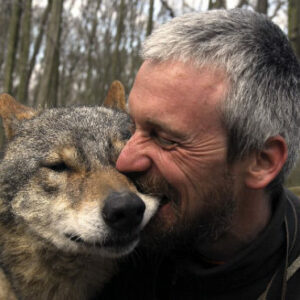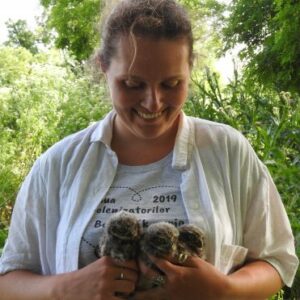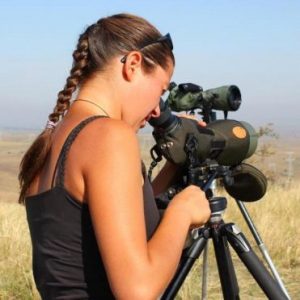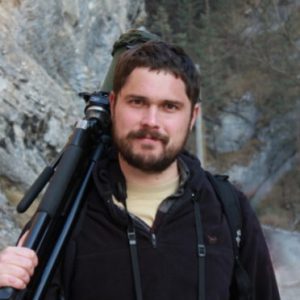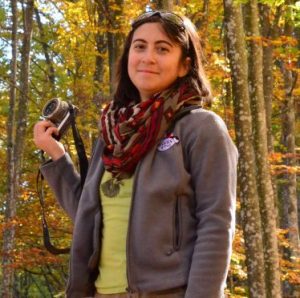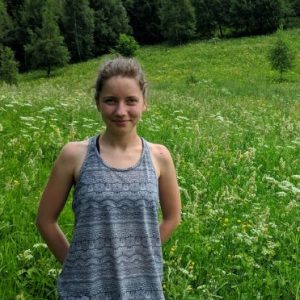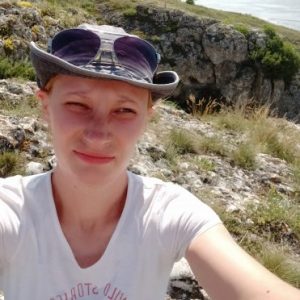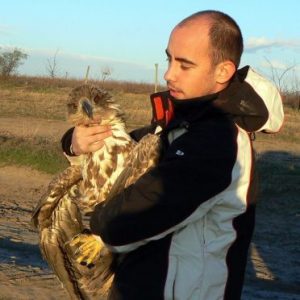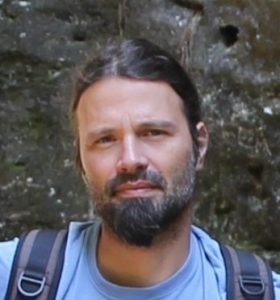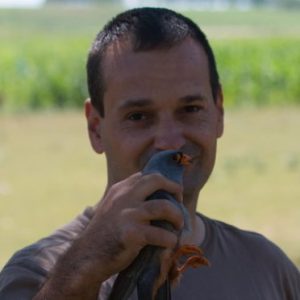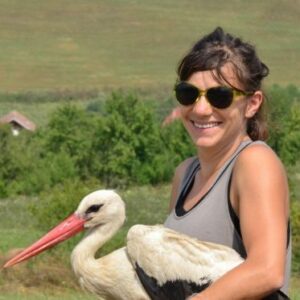
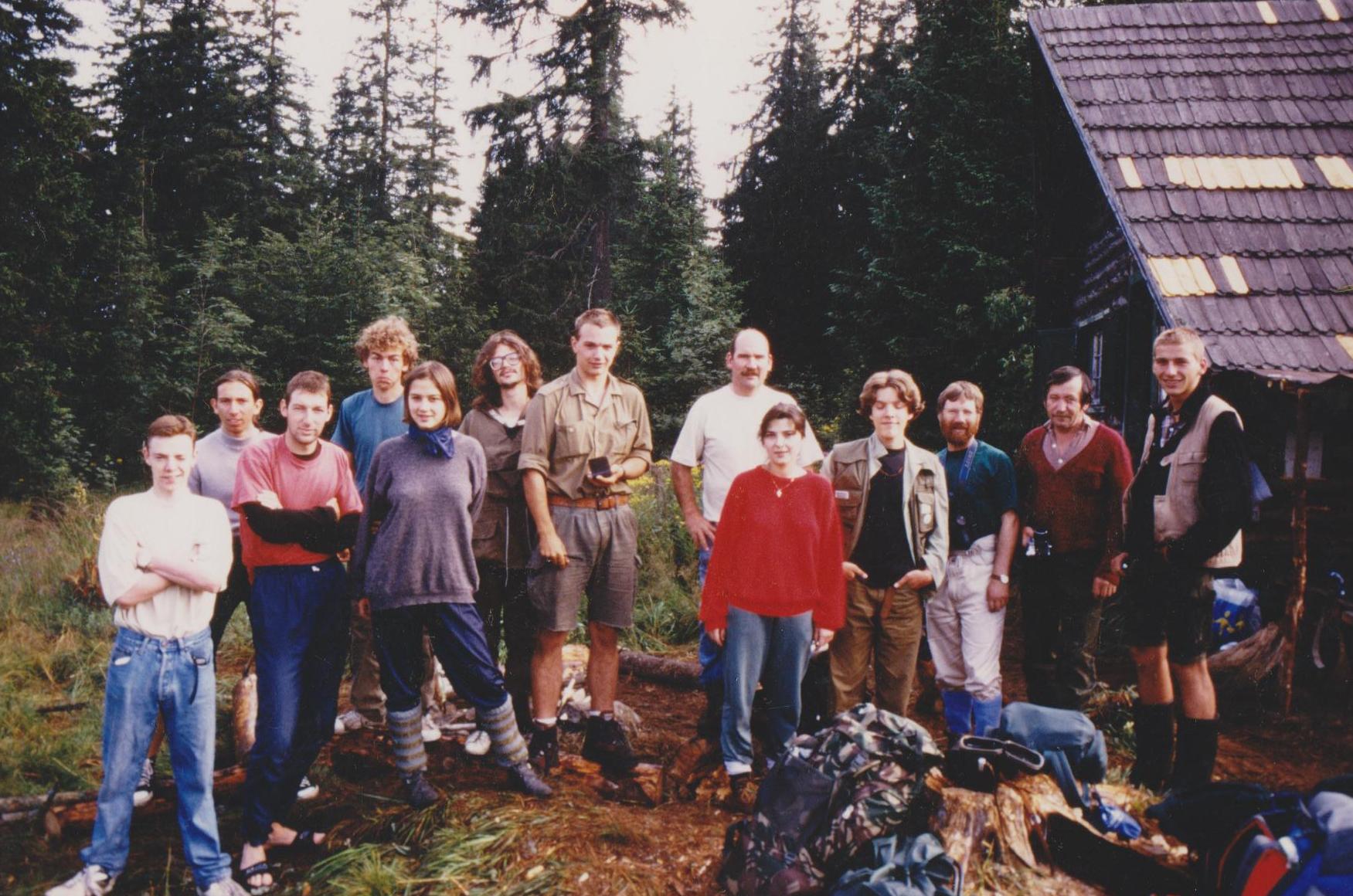
“At the age of 16, people generally have no idea what they want to do when they grow up. So, most likely, the seven teenagers who founded the Milvus Group in the kitchen of Zoltán Szombath, a museum curator who helped us get started, had not really thought through whether this was something they wanted to keep doing in the future. As for me, though, I was already certain that this was what I would most like to do, because it made me happy and I felt it was worthwhile. And here I am, still doing it all these years later.” – Tamás Papp, founding member and Executive Director of the Milvus Group.
In the 1990s, nature conservation had virtually no support. Neither the state nor the general public considered it a priority. Protected areas covered around 7.5% of the country’s territory, their importance was largely overlooked, and hardly anyone spoke about protecting threatened species. The Milvus Group had already been established and was active, carrying out small-scale, local projects, mainly focused on research. These included a bird-ringing camp in the Gurghiu Mountains and another on the Chituc Spit, as well as research into birds of prey, including camps organised in the Măcin Mountains. We were also trying to raise awareness of the importance of nature conservation.
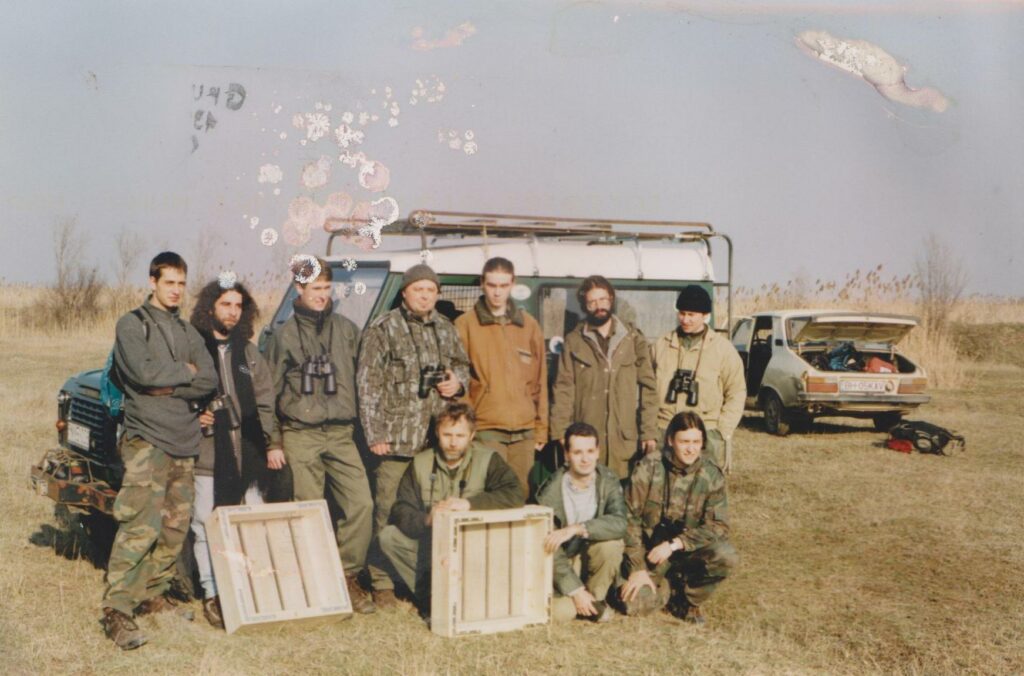
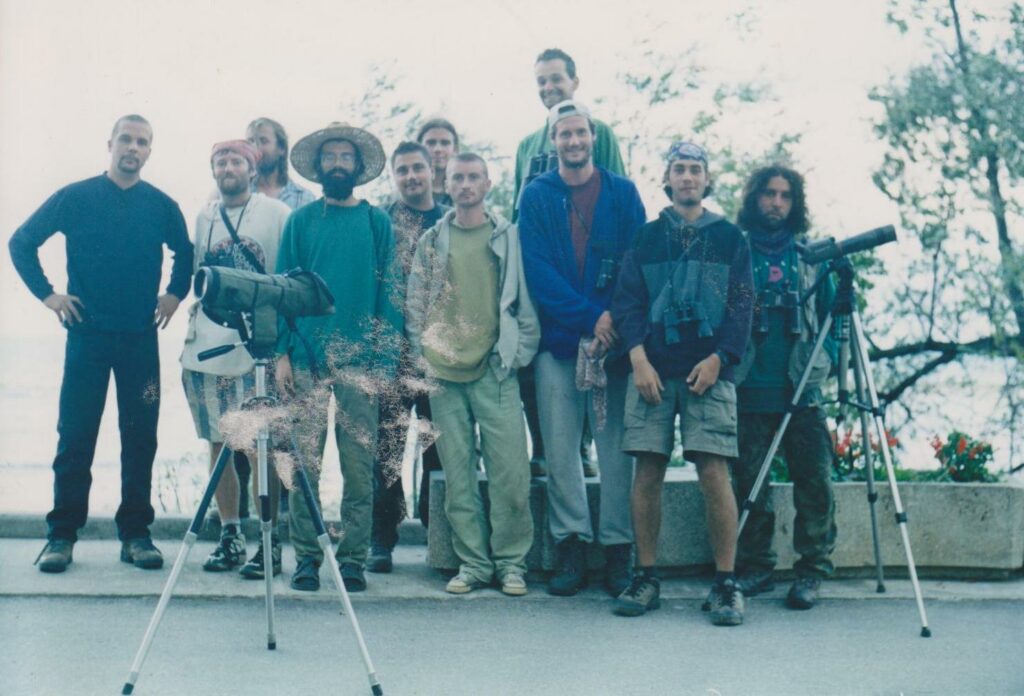
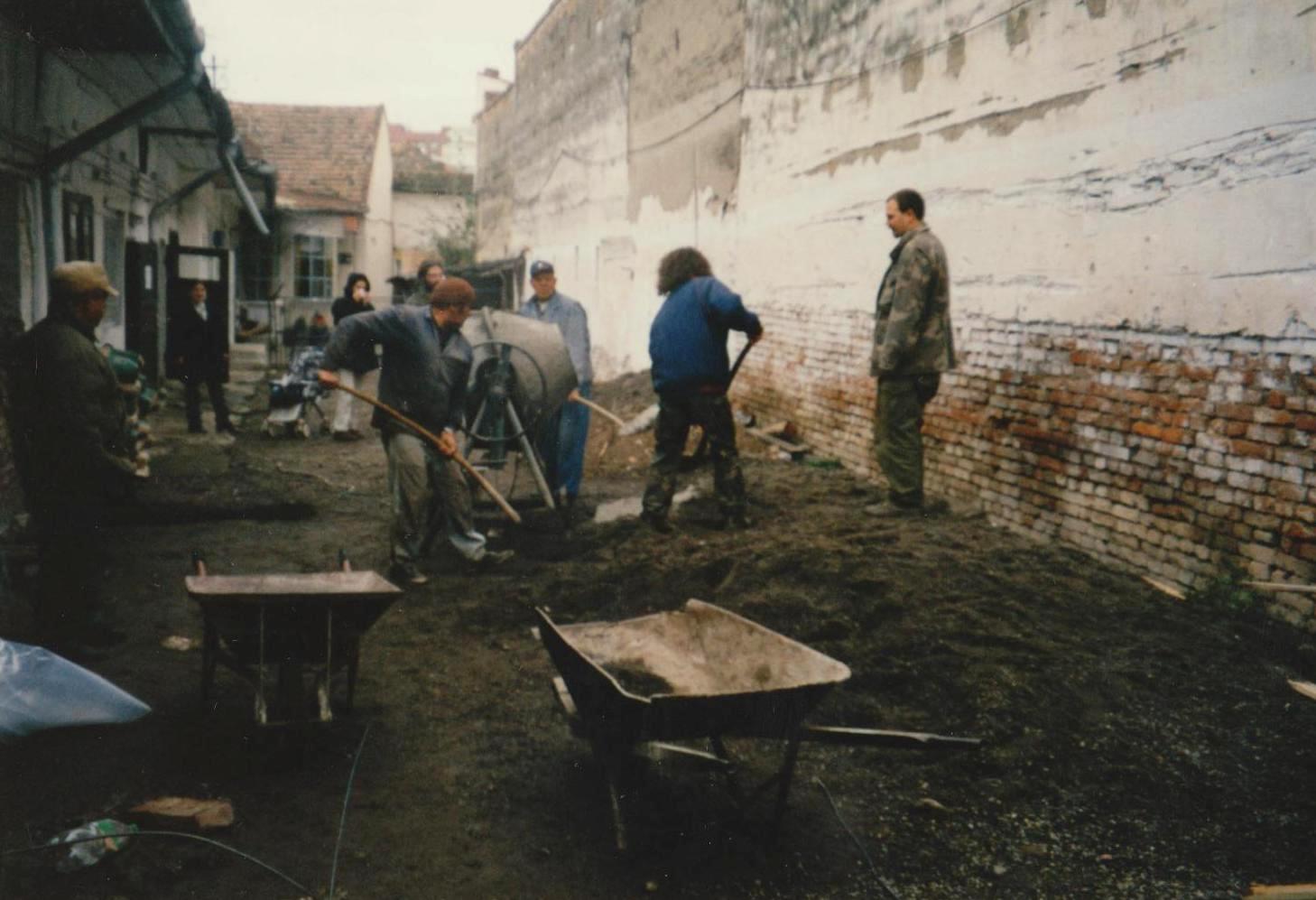
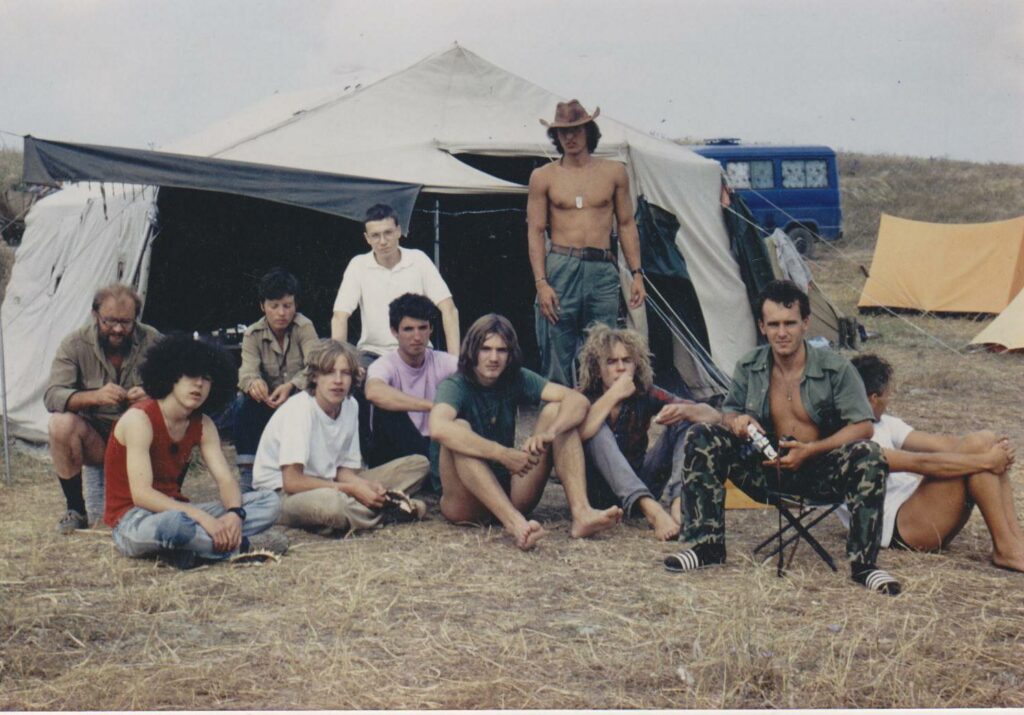
In the 2000s, as Romania’s accession to the European Union became increasingly likely, nature conservation gained prominence in legislation and official discourse. It was clear that Romania would have to implement EU legislation, which was considerably stricter than the country’s existing laws. This was the period when Natura 2000 sites were designated, increasing the proportion of protected areas from around 7.5% to more than 24%. The Milvus Group played a significant role in this process. Our environmental education programme grew stronger, and we began research and conservation work focused on several key birds of prey.
After 2010, EU regulations increasingly had to be put into practice, giving nature conservation greater weight, although often only on paper. The Milvus Group launched several large-scale species conservation projects, once again placing considerable emphasis on the lesser spotted eagle, saker falcon and European roller, as well as mammals such as the European ground squirrel and brown bear. This was also when our Wildlife Rehabilitation Centre began its work, and we launched national bird monitoring programmes in partnership with the Romanian Ornithological Society (Societatea Ornitologică Română, SOR).
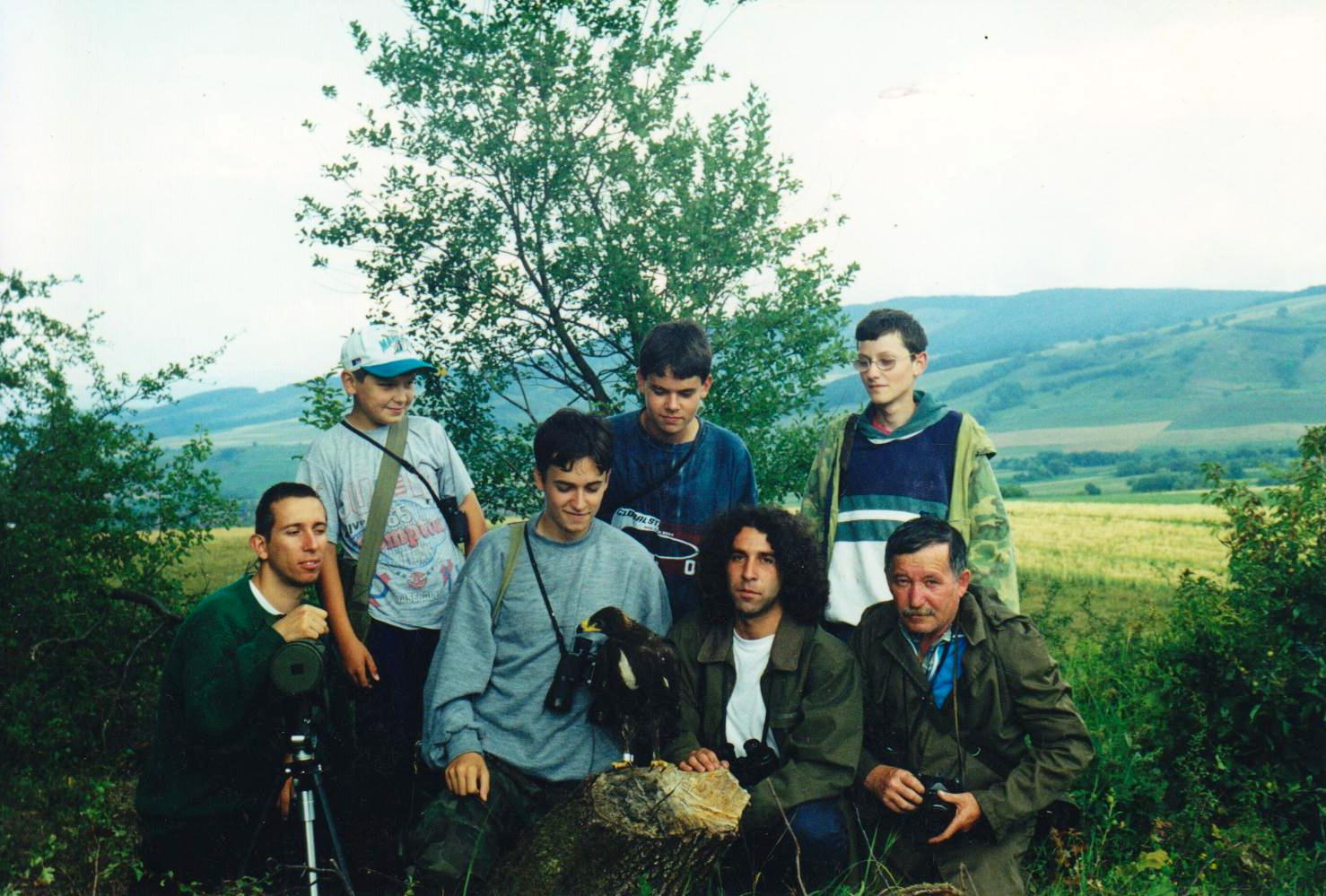
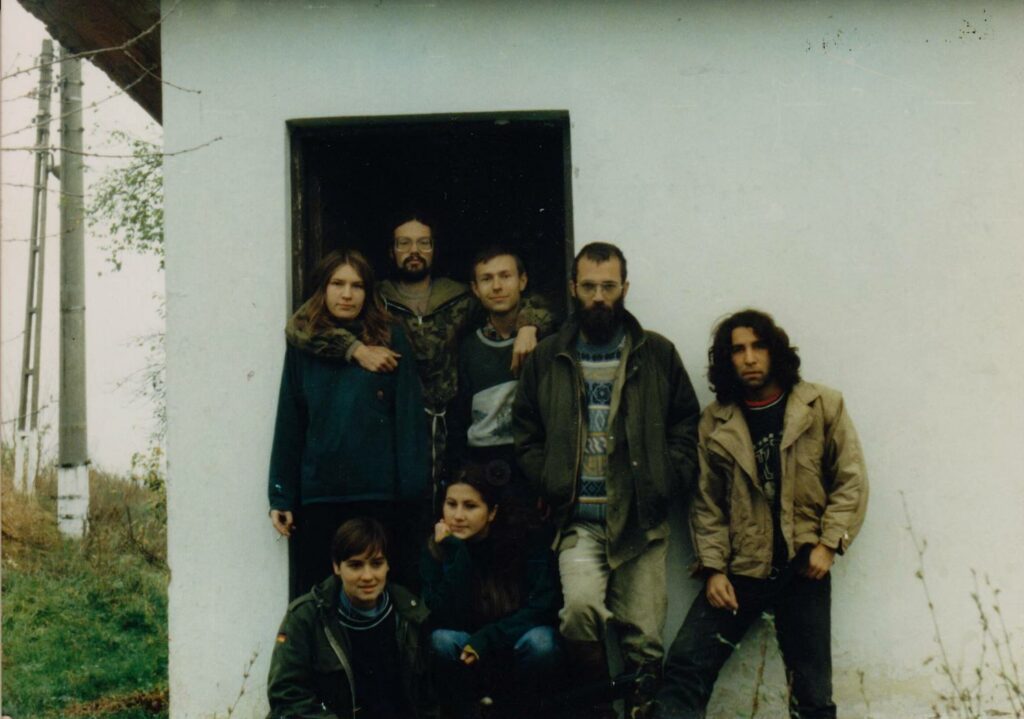
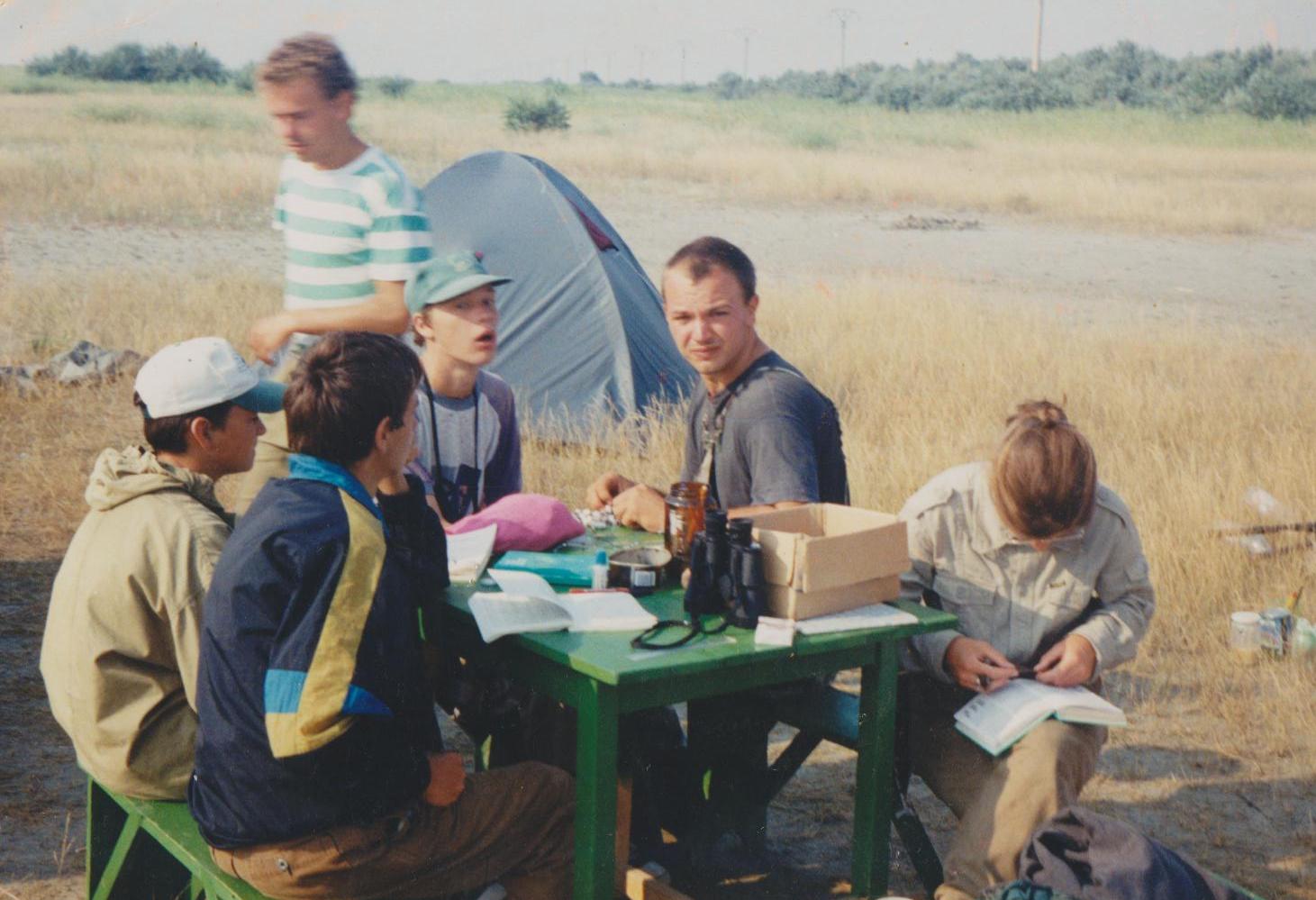
During the period when the state allowed NGOs to manage protected areas (2001–2018), we were actively involved in the management of 20 protected areas, doing so on a voluntary basis.
In 2019, when the EU announced its European Green Deal, we thought that the time had finally come for nature conservation, especially from 2020 onwards. On paper, that was indeed the case, and it was a much-needed development: climate change and the loss of biodiversity had made concrete action more urgent than ever. The initiatives launched, including new regulations and targets such as the Nature Restoration Law (NRL), were highly ambitious. Unfortunately, little of this ambition has translated into action, and today’s EU debates show few signs of the environmental responsibility that once seemed to be taking centre stage.
The urgency, however, has not gone away. In the meantime, the COVID-19 pandemic, the war in neighbouring Ukraine and economic difficulties across the EU have shifted priorities and changed the narrative. Throughout this period, we continued our existing nature conservation work while also taking on new challenges. We became partners in Romania’s first vulture reintroduction project, raised awareness of the importance of climate change, and embarked on a habitat restoration project.
Despite the difficulties, we believe our work is more relevant than ever – and we have no intention of stopping. We hope you will continue this journey with us.