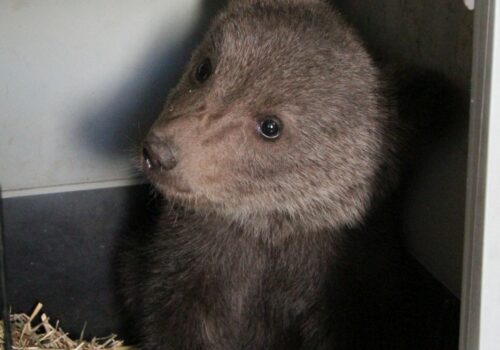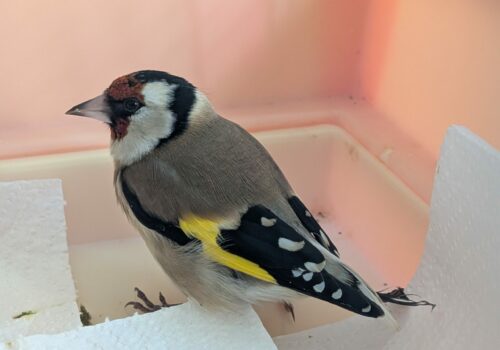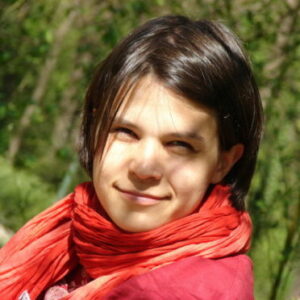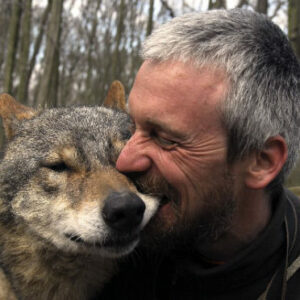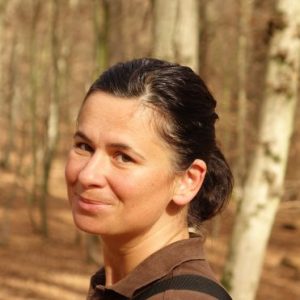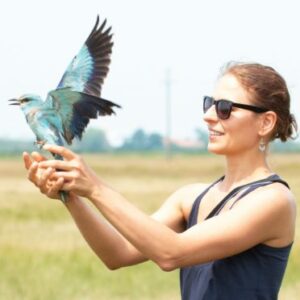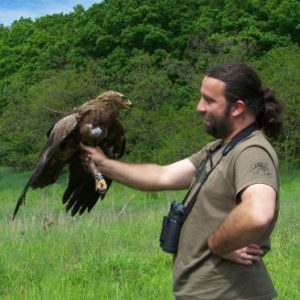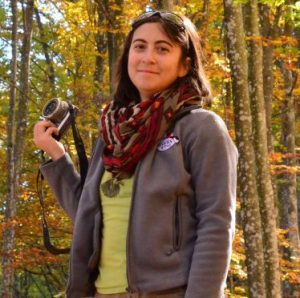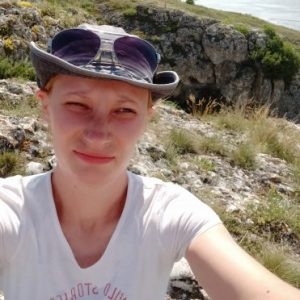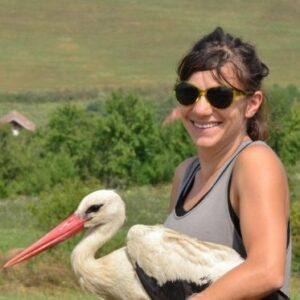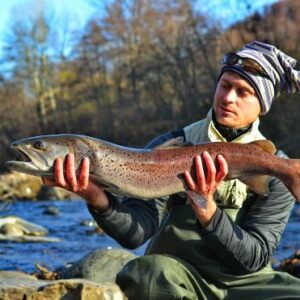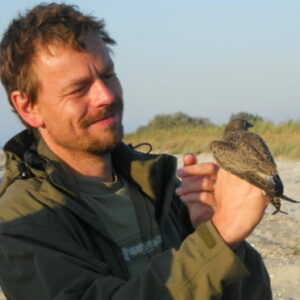
We continue our Saving Hands series with another veterinarian we’ve been collaborating with for many years. Georgiana Lupu, or Geo, as everyone knows her, spoke to us about her partnership with the Milvus Group and her passion for wild animals.
Tell us a bit about yourself and your passion for wildlife.
Hello! I’m Geo Lupu, a veterinarian at the New Companion Animals Service (NAC) of USAMV Cluj-Napoca, and a resident in Wildlife Health with the European College of Zoological Medicine (ECZM). My passion for wildlife developed gradually during university, out of curiosity for a lesser-known branch of veterinary medicine and a lifelong love of nature, nurtured over more than ten years spent with the Romanian Scouts in Alba Iulia. I discovered that wildlife medicine is a niche field in Romania, with few centres and dedicated specialists, which motivated me to contribute to its development. It’s a socially driven field, often lacking financial support, where creativity and collaboration make all the difference. My first concrete step was an internship with the Visul Luanei Foundation, which opened my eyes and confirmed that this was my path. Since then, I have continued my professional journey at USAMV Cluj-Napoca, where I work alongside my colleagues, dedicating myself to the care and study of wildlife. To further support this mission, I also founded the Centrul Nord Association.


How did your collaboration with the Milvus Group begin, and what kind of cases reach you?
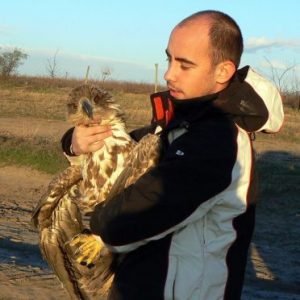
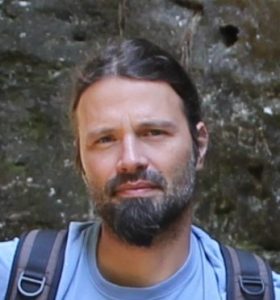
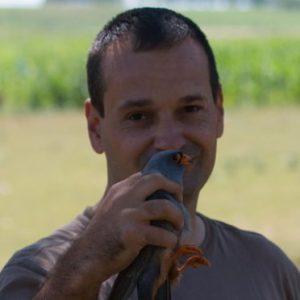
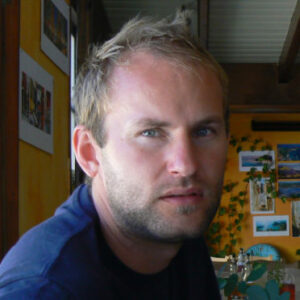
My collaboration with the Milvus Group started naturally, taking over from my colleagues at the NAC clinic, who were already working with Dr. Borka Levente on rehabilitation cases. Gradually, I began collaborating with other team members too – Zsolt Hegyeli, Zoltan Szabó, and Osváth Gergely – mainly on bird-related cases. We stay in regular contact for bird ringing, transport, and advice in more complex situations. The first animal I personally sent, together with my colleague Cosmina, was a fox that had undergone leg surgery, if I remember correctly. At NAC, we now receive around 700 cases per year, and the most frequent ones later sent to Milvus for rehabilitation are birds of prey and storks.
If you were to highlight one case that has particularly stayed with you, which one would it be?
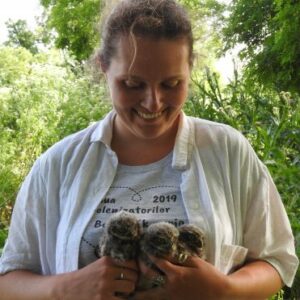
It’s hard to choose just one, because over the past four years I’ve learned so much from every species. Still, I fondly remember three barn owl chicks we received in 2023 – my first experience with this species. With the help of Milvus colleagues, the chicks were placed in a foster nest, alongside a mother that already had chicks of her own. I greatly appreciated this approach, as it avoided rehabilitation in captivity and the risk of human habituation. I find it remarkable that Milvus brings together specialists from so many fields – veterinary medicine, ecology, biology, and more – a combination that’s essential for real success in wildlife rehabilitation.


What are the challenges and satisfactions of your work?
There are many challenges in such a new field, but the satisfactions are just as great. The biggest challenge for me is educating people. We often receive animals that have been kept in captivity for too long out of good intentions, but that end up suffering due to lack of proper information. A species’ biology must be respected, but some cases arrive in too serious a condition to be rehabilitated, which can be hard to accept. Another difficulty is the lack of species-specific facilities, but collaboration with the Milvus Group makes a huge difference – we have a place to send animals needing special conditions for rehabilitation, and we know they are getting the best possible care. The satisfactions come not only at the moment of releasing an animal back into the wild, but every day spent among these fascinating species, constantly learning from their behaviour and adaptability.


We thank Geo Lupu for her openness in answering our questions and, of course, for all the work she does for the benefit of injured wild animals.
If you are a veterinarian willing to help a wild animal in need, or a volunteer who could care for a “patient” for a few days, don’t hesitate to contact the Wildlife Rehabilitation Centre at the emergency number: 0722 533 816.