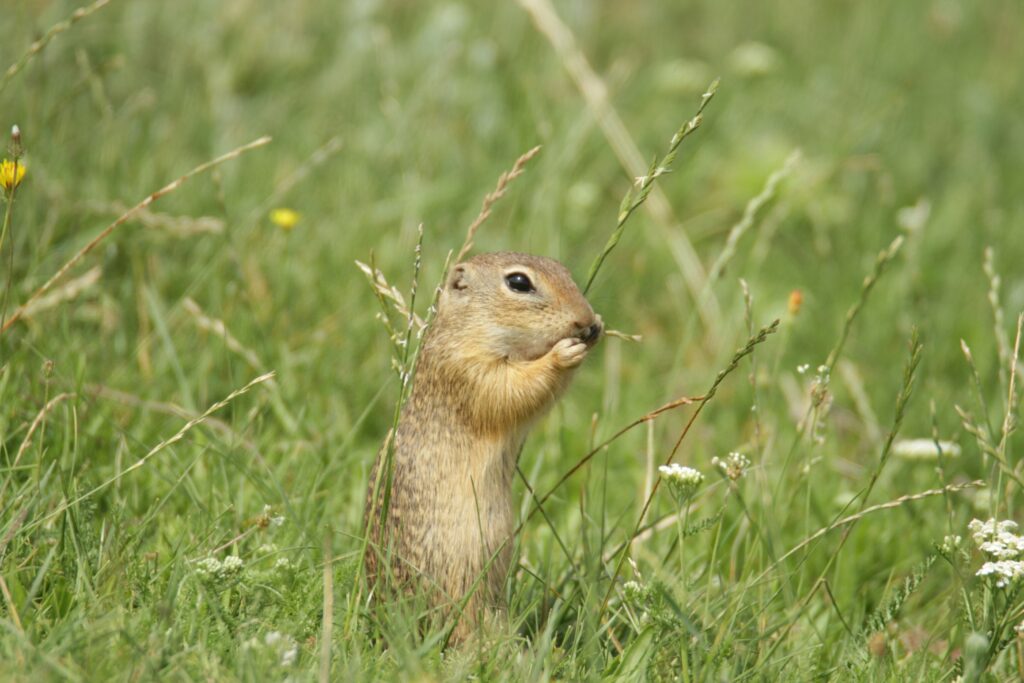



Seven-year conservation programme for the protection of the European ground squirrel
At the end of last year, the CitellusLIFE project was...
Read more
At the end of last year, the CitellusLIFE project was...
Read more
Boreal Owl (Aegolius funereus)
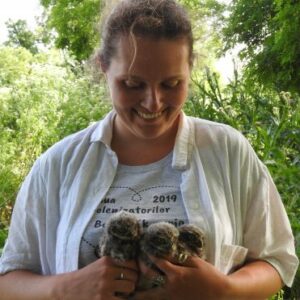
In 2010 Milvus Group Association began installing the first artificial nestboxes for Boreal Owl (Aegolius funereus) in the Călimani Mountains. During the following years we have continued this activity in other areas such as Gurghiu Mts, Giurgeu Basin and Ciuc Mts mounting several ten nestboxes. The nests are yearly monitored in order to know the occupancy rate and the breeding success.
Member of Milvus Group since 2005, at the same time founder of the Mammal Conservation Working Group, with main fields of interest in research and conservation of small mammals and large carnivores. Volunteer in the majority of ongoing activities, working in projects with aims to study mammal (bear, wolf, lynx, otter) populations in Natura 2000 sites for drafting management plans.
Member of Milvus Group since 1994. Founder and leader of the Mammal Conservation Working Group. Biologist with main interest in the biology of the wolf and the brown bear, studying predominantly the problems arising from their interactions with humans.
E: zoltan.d.szabo@milvus.ro
Biologist, graduated at Babeș-Bolyai University. Obtaind his PhD degree at Debrecen University, studying the dispersal behaviour of Sand Martins. Member of the Milvus Group since 1993. Worked as university lecturer teaching ecology, ornithology and conducted field practice. Produced nature documentaries as cameraman and director. Initiated and coordinated the Romanian Common Bird Monitoring Scheme between 2006-2018. Licensed bird ringer.
E-mail: anna.denes@milvus.ro Tel: 0743-994.578
I graduated as a biologist at Babeş-Bolyai University, where I am currently doing my master studies in Terrestrial and Aquatic Ecology. At the university I study dragonflies. I have loved nature since childhood and have been involved in nature conservation in the Vargyas Gorges Nature Reserve. I met the Milvus Group in 2016, and since then I have participated in several of their activities as a volunteer. It is a pleasure for me to work in this team for the birds, for the conservation.

E-mail: lorinc.barbos@milvus.ro Tel: 0723-201.344
Member of Milvus Group since 2011. Biologist, graduated from Babeș-Bolyai University of Cluj-Napoca, currently master degree student at the same university. Interested mainly in raptors, he is the coordinator of a national monitoring program for nocturnal species. Licensed ringer of the Romanian Ornithological Centre for raptors. Currently employed at Environmental Protection Agency Satu Mare.
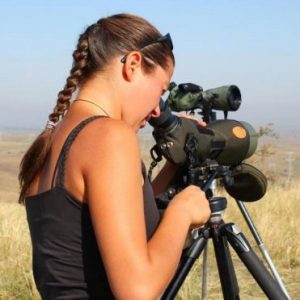
E-mail: reka.kiss@milvus.ro
Member of Milvus Group from 2002. Her main activities are linked to raptor conservation and monitoring (mainly Golden Eagle and Peregrine Falcon conservation, raptor migration count). At the same time she participated in several surveys and monitoring programmes of different bird species. As an active member of the Environmental Education Working Group, she organizes different environmental education activities, excursions in kindergarten and primary schools, activities in Forest School for children. From 2009 she has been a licensed ringer, ringing birds with the aim of environmental education and bird monitoring in different ringing camps.
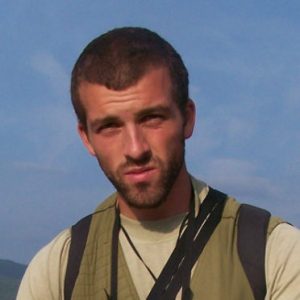
E-mail: zsolt.hegyeli@milvus.ro Tel: 0735-878.518
Member of Milvus Group since 2003, with main activities within the Mammal Conservation Working Group. His main fields of interest are biogeography and conservation of steppic mammals, and conservation of diurnal raptors. Involved in projects concerning mammal research and conservation, as well as activities regarding protection of raptors. Also working on the implementation of the Natura 2000 network in Romania.

E-mail: csaba.domokos@milvus.ro Tel: 0720-538.422
Member of the Milvus Group since 2004. Biologist, with an MSc in Wildlife Management Engineering. Currently a PhD student at the Roth Gyula Doctoral School of Forestry and Wildlife Management Sciences, University of Sopron (Hungary). Interested in large carnivore conservation, management and research, with a focus on brown bears.
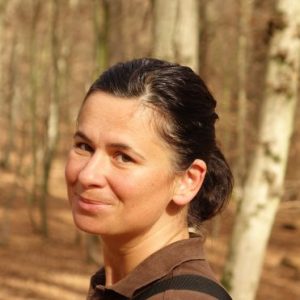
E-mail: judith.papp@milvus.ro
Member of the Milvus Group since 2000, she is acting in the field of ecological education, ecosystem services, fundraising. Since 2009 she has been involved in the organization of the Milvus International Nature Photography Contest.
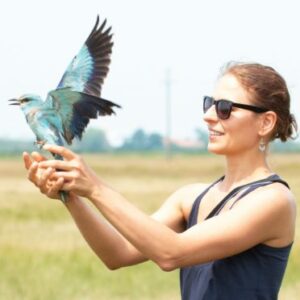
E-mail: laura.turdean@milvus.ro
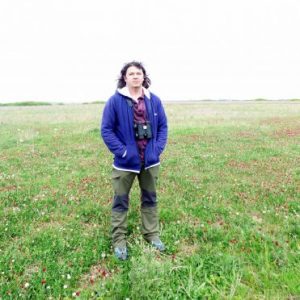
Has a B.A. in Humanities and is deeply fascinated by our cultural and natural heritage. She got involved into several grassroots movements and awareness raising campaigns, such as: Save Roșia Montană and no fracking of shale gas. Now at Milvus, she communicates in writing and visually about nature and conservation, revealing this has always been her dream job.
E-mail: attila.dosa@milvus.ro Tel: 0743-994.579
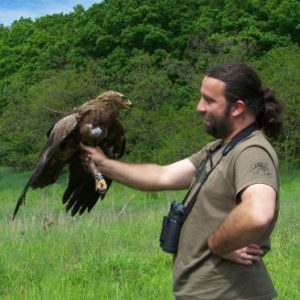
With a degree in economics, birding was just a hobby for him until he joined to the Milvus team. Since then, he has been involved in ornithological surveys and monitoring programs.
E-mail: szilard.daroczi@milvus.ro Tel: 0720-537.066
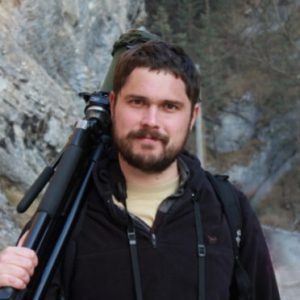
Member of Milvus Group since 1992. Graduated from the Faculty of Forestry (game management section) in Transylvania University of Brașov. His main activities are the study and conservation of raptors and owls, being involved in most projects regarding raptors, also coordinating some of them. He works mainly with species like Lesser Spotted Eagle, Red-footed Falcon, Common Kestrel, Long-legged Buzzard but he is interested in Long-eared Owl, Ural Owl, Tawny Owl, and Pygmy Owl too. He regularly visits the wetlands from the Western Plain, Transylvania and Dobruja. He doesn’t hide the fact that he likes to twitch rare birds, even if on the other side of the country. He is interested in migration of birds, especially raptors and has been a licensed ringer of the Romanian Ornithological Centre since 1995. He coordinates the Milvus Group’s database of ringed birds and recoveries. Szilárd is one of the administrators of the Rare Birds of the Carpathian Basin database.
E-mail: istvan.kovacs@milvus.ro Tel: 0728-303.898
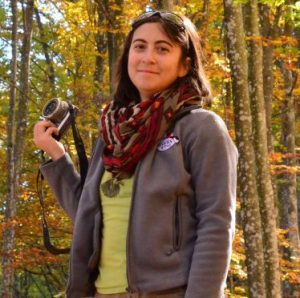
Biologist, with master’s degree in terrestrial and aquatic ecology. Licensed bird ringer of the Romanian Ornithological Centre. His main fields of activity are the coordination of bird surveys and monitoring programmes like the Wintering birds of prey monitoring in Romania, the Romanian breeding bird atlas, the Monitoring of nocturnal birds in open habitats, the Monitoring of Golden Eagles in Romania and several local surveys. He is also one of the responsibles for the administration of the OpenBirdMaps database.
E-mail: iulia.vizi@milvus.ro
From December 2015, Julia takes care of the external communication of the association. It has entered the nongovernmental sphere after more than 12 years of television and radio journalism. Passionate about reading, excursions and animals, Julia believes that only through communication we can change the little universe we live in.
E-mail: gabor.bone@milvus.ro Tel: 0722-533.815
My interest for nature and nature conservation led me to study environmental sciences and later ecology MSc. Main interests are application of computer studies in ecology. I am member of Milvus Group since 2012 June, and mainly I work with data evaluation, GIS and field work. Beside this I help in other activities of the Group.
E-mail: reka.szilagyi@milvus.ro
She has been a member of the Milvus Group since 2020. She studied computer science and environmental protection in Cluj-Napoca. She deals with programming, data processing and data visualization, and helps at the Wildlife Rehabilitation Center.
E-mail: krisztina.havadtoi@milvus.ro
Licenced in biology at Babeș-Bolyai University of Cluj-Napoca în 2010, and since then specialized in botany, vegetation survey and habitat mapping. Collaborating with Milvus Group since 2019.
E-mail: katalin.kelemen@milvus.ro Tel: 0722-437.863
Member of Milvus Group since 1994. She is interested in agro-environment, ecosystem services and ecological education activities and courses.
E: istvan.komaromi@milvus.ro T: 0720-527.565
Vicepresident of Milvus group with degree in biology-geology and geography of tourism. He is involved in most of Milvus Group’s activities such as: raptor conservation and research programmes, bird population monitoring, migration study and others. His main fields of interest are related to birds of prey.

E-mail: zsuzsanna.aczel-fridrich@milvus.ro Tel: 0720-018.088
Member of Milvus Group since 2007. She studied ecology at Babeș-Bolyai University. Her field of interest is small mammal research based on owl pellets and diet analyses of diurnal raptors. In addition, she takes part in environmental education programm
E-mail: attila.marton@milvus.ro Tel: 0725-533.086
Ornithologist, member of Milvus Group since 2010. He obtained his Master’s Degree at Babeș-Bolyai University from Cluj-Napoca, and at the moment he is a PhD student at the University of Debrecen. His main research area in brood parasitism, studying the coevolutionary relationship between cuckoos and great reed warblers. Licensed ringer since 2013, he takes part in the ringing activities of the group and coordinates the ringing at Chituc Ringing Camp.
E-mail: robert.zeitz@milvus.ro Tel: 0735-878.520
Founder and employee of Milvus Group. Ecologist, graduated from Babeș-Bolyai University of Cluj-Napoca, licensed ringer of the Romanian Ornithological Centre. His main activities are related to raptor conservation and study Working Group but he is actively taking part in many of Milvus Group’s bird-related programs such as countrywide research, monitoring or conservation projects.
E-mail: attila.nagy@milvus.ro Tel: 0728-303.868
Became a member of Milvus Group in 2002. Attila is coordinating several activities carried out in the western part of the country. He is the coordinator of our Red-footed Falcon conservation program. Beside of this, Attila is activating in conservation and research activities related to other species as the Great Bustard and the European Roller. He is responsible for two Natura 2000 sites from Bihor County, which are in the custody of Milvus Group. At present Attila is coordinating a POS project aiming to elaborate management plans for seven Natura 2000 sites. He is the leader of the branch of Milvus Group’s from Oradea.
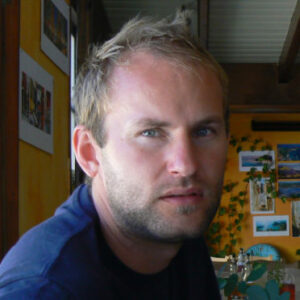
E: tibor.sos@milvus.ro T: 0735-878.519
Biologist with master degree in applied ecology. Member of the group from 2003, mainly interested in amphibian and reptile biology and conservation (www.tiborsos.webs.com). Founder of the Amphibian and Reptile Protection Working Group. Initiator of the Trachemys Adoption – Romanian Coalition (www.freewebs.com/trachemysadoption), a group which popularizes the problem of released exotic turtles in nature. Member of the Natura 2000 team.
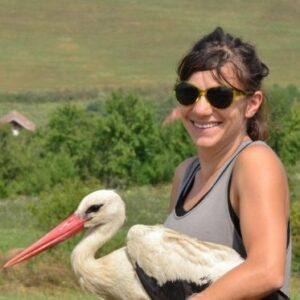
E: reka.komaromi@milvus.ro T: 0725-226.174
Member of Milvus Group since 2001. She studied biology-geology at Babeș-Bolyai University and horticulture engineering at Corvinus University Budapest. She takes part in environmental education programs within the Environmental Education Working Group and she works at the Rehabilitation Center. At the same time she takes part in financial administration and everyday duties in the office.
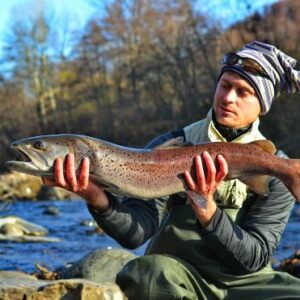
E-mail: andrasattila.nagy@milvus.ro Tel: 0720-018.089
Member of the Milvus Group since 2005. Mainly interested in the protection of freshwater fish and management of the protected areas. Ecologist, graduated at Babeș-Bolyai University from Cluj Napoca. Currently he is studying the ecology and protection of the fish fauna of the Transylvanian rivers and is a PhD student at the Babeș-Bolyai University (Faculty of Biology and Geology).
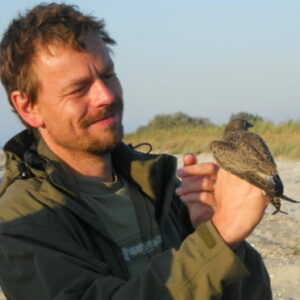
E-mail: tamas.papp@milvus.ro
Tel: 0720-530.117
Founding member of Milvus Group and president of the organization. Graduated from Babeș-Bolyai University as biologist. Licensed bird-ringer. Coordinates the work of the organization, so despite the fact that he likes field work, spends most of his time in the office. He likes to work on topics which have a major impact on nature, even if they are not popular, such as bird electrocution or agro-environmental measures. Represents the biodiversity conservation policy of the organization at various national or international forums. Board Member of the Romanian “Natura 2000” NGO Coalition.