Anniversary edition: 60 years of the programme
Between 10 January and 6 February, the International Waterfowl Census (RIPA – known to participants as the MidWinter Count) took place at national level, with broad participation of dozens of volunteers. The event is organised internationally by Wetlands International and celebrates its 60th anniversary this year. In Romania, it is coordinated by the Romanian Ornithological Society and the Milvus Group. This year, due to difficult weather conditions at the end of January, the coverage of the Danube Delta was carried out at the beginning of February.
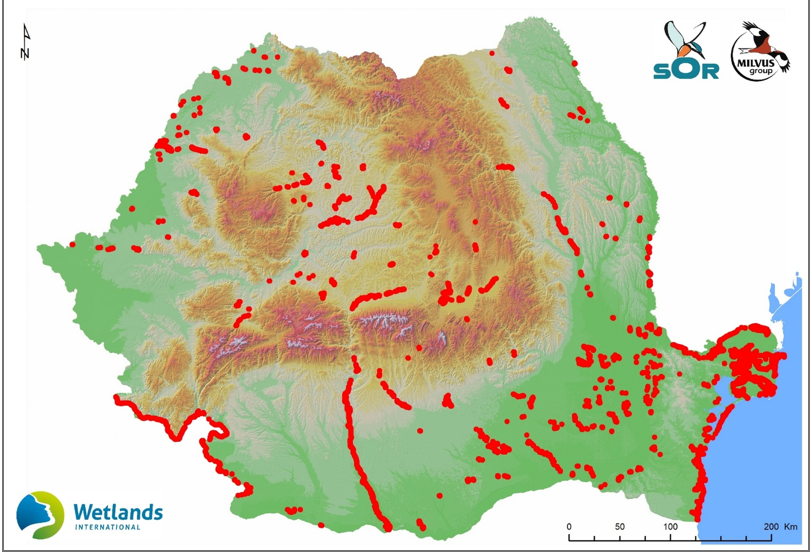
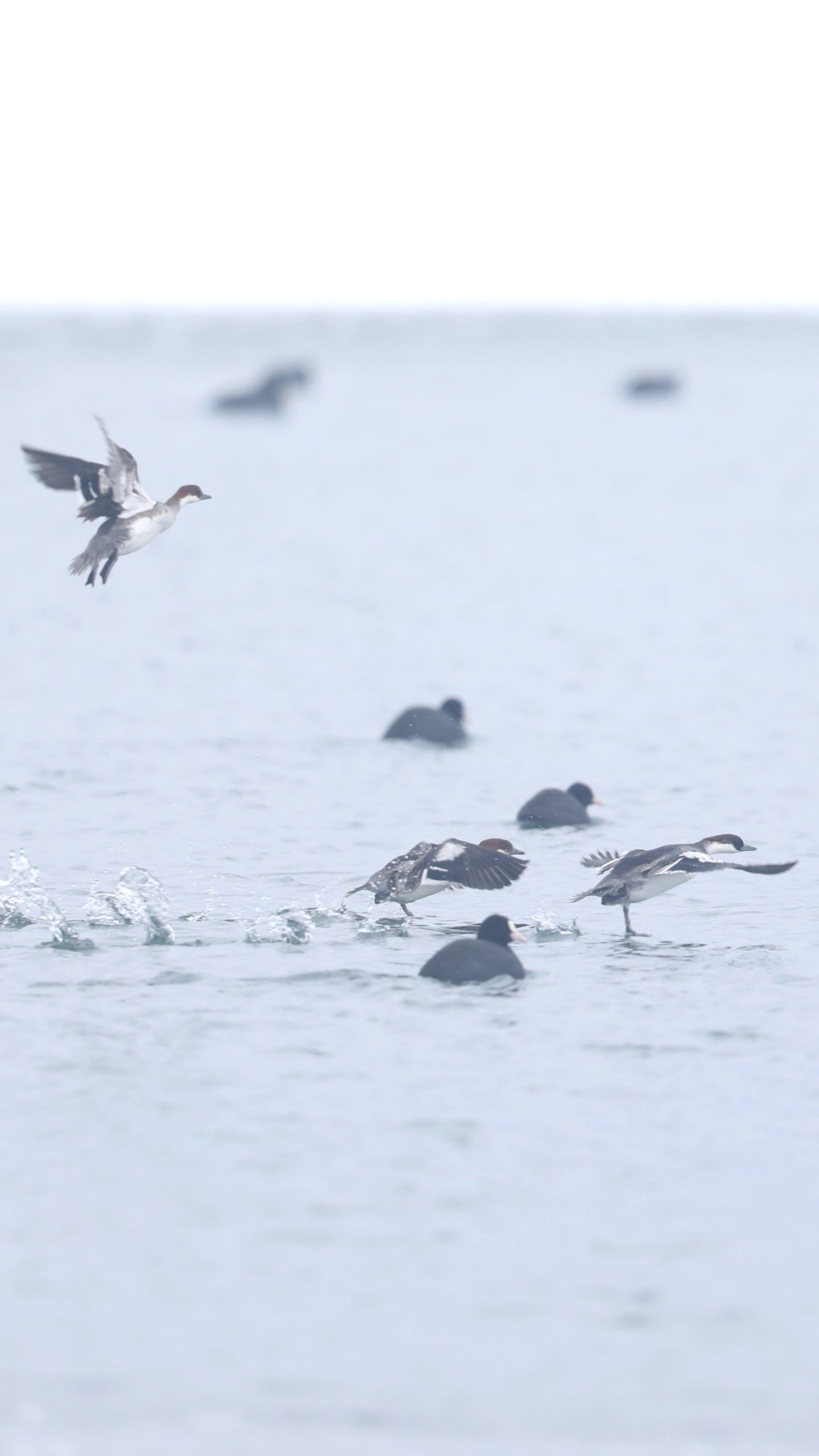
A total of 140 observers participated in the event, covering 472 locations nationwide. In total, 849,247 birds were counted, of which 682,642 individuals (80% of the total) belong to aquatic species, which are the target of this annual census. A total of 172 species were identified, of which 88 (51%) are aquatic species dependent on wetlands.
Compared to the previous year, the total number of individuals of aquatic species was lower by more than 350,000 individuals (over 33%), due to weaker coverage and especially the severe winter conditions that characterised this season (particularly in the Danube Delta, where the level of freezing was very high).
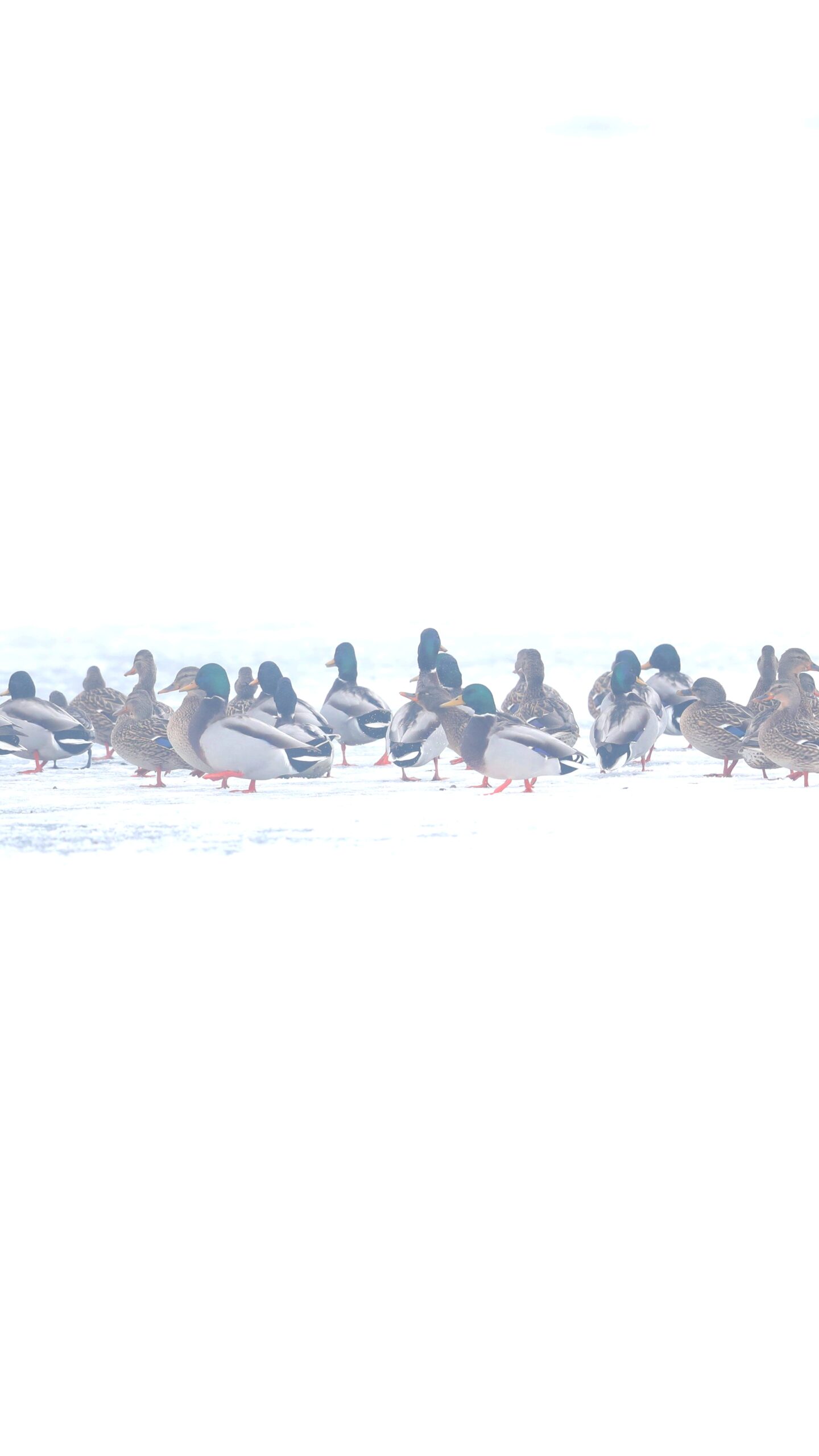
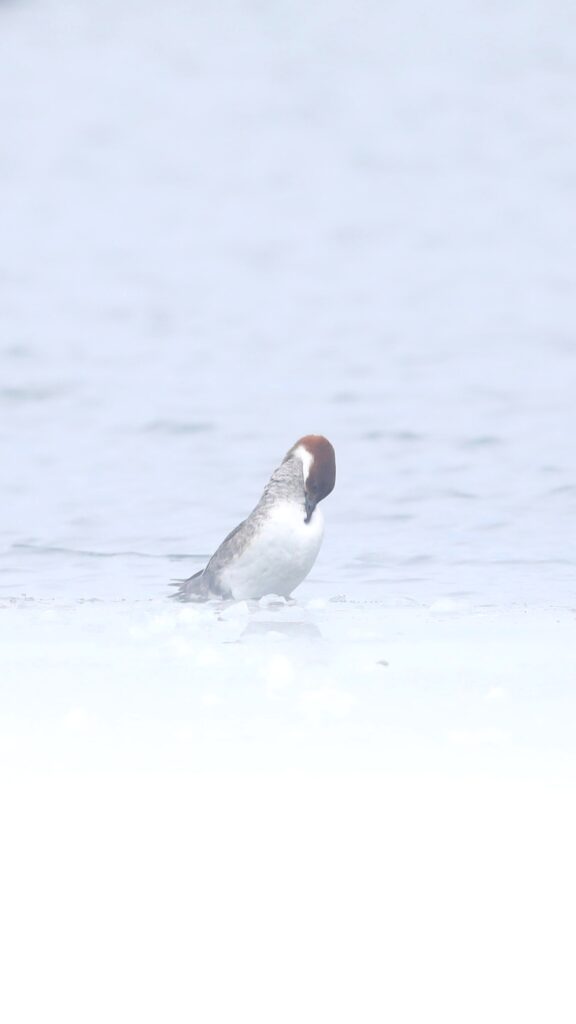
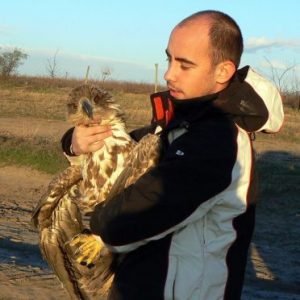
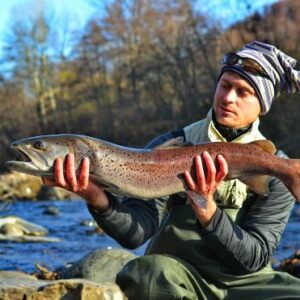
This year’s census relied entirely on volunteers, who collected data alongside the employees of the two organisations. On this anniversary edition, we thank our observers, who are responsible for collecting these valuable data for monitoring population trends of aquatic species at national level. The coverage of the Danube Delta was carried out, as every year, with the help of colleagues from the Danube Delta Biosphere Reserve Administration.
Among aquatic species, the largest populations belonged to the following species (geese are not included in this ranking, as their populations were more completely covered by a dedicated census; numbers from the previous year are given in brackets for comparison):
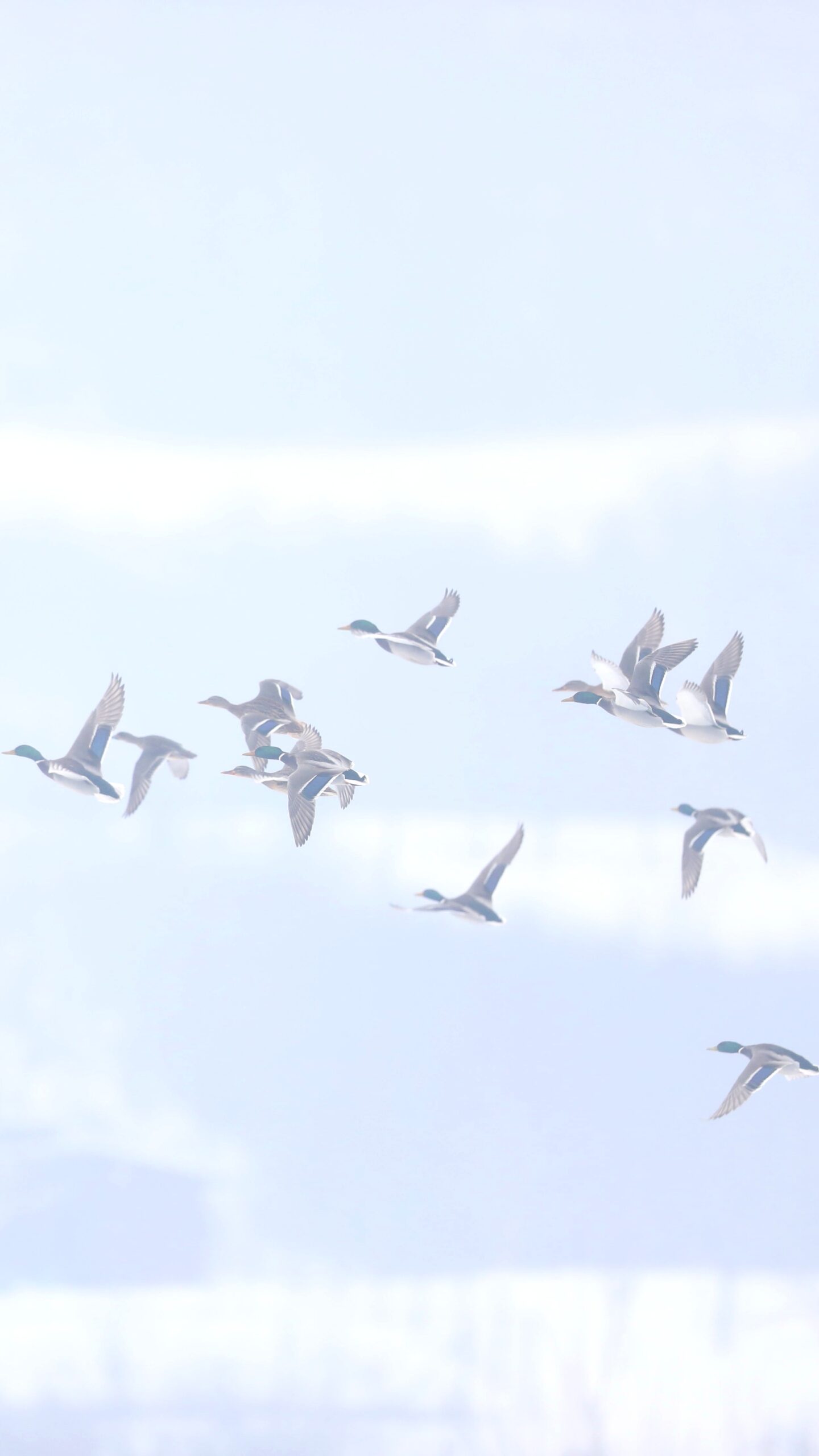
- Mallard (Anas platyrhynchos) – 183,086 (292,272)
- Eurasian coot (Fulica atra) – 119,466 (165,314)
- Great cormorant (Phalacrocorax carbo) – 38,987 (34,957)
- Pochard (Aythya ferina) – 28,962 (26,476)
- Wigeon (Mareca penelope) – 26,091 (16,091)
- Black-headed gull (Larus ridibundus) – 23,444 (46,789)
- Tufted duck (Aythya fuligula) – 21,472 (25,899)
- Red-crested pochard (Netta rufina) – 15,996 (25,109)
- Teal (Anas crecca) – 15,374 (55,137)
- Mute swan (Cygnus olor) – 13,086 (21,449)
Compared to last year, most species show lower numbers, except for the great cormorant, common pochard and Wigeon.
As mentioned earlier, the census of geese species took place in parallel in south-eastern Romania, therefore the data collected through this special monitoring programme are much more precise. The recorded totals are as follows:
- Greater white-fronted goose (Anser albifrons) – 262,784 (414,024)
- Greylag goose (Anser anser) – 12,133 (14,313)
- Red-breasted goose (Branta ruficollis) – 1,710 (1,999)
- Lesser white-fronted goose (Anser erythropus) – 7 (4)
- Canada goose (Branta canadensis) – 6 (2)
- Tundra bean goose (Anser fabalis rossicus) – 2 (6)
Apart from aquatic species, the largest populations belonged to the following species: Rook (Corvus frugilegus, 61,701), Western jackdaw (Corvus monedula, 53,210), Domestic pigeon (Columba livia f. domestica, 10,874), Wood pigeon (Columba palumbus, 7,133) and Common starling (Sturnus vulgaris, 5,993).
Aquatic species, totalled by country:
https://iwc.wetlands.org/index.php/nattotals
National totals, by species:
https://iwc.wetlands.org/index.php/spectotals