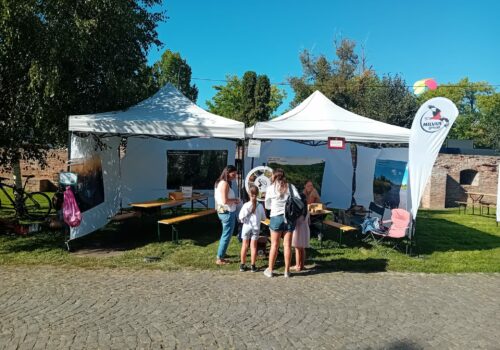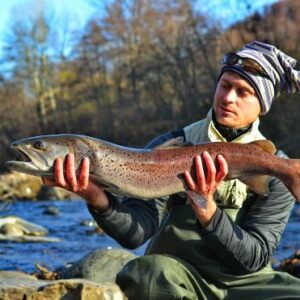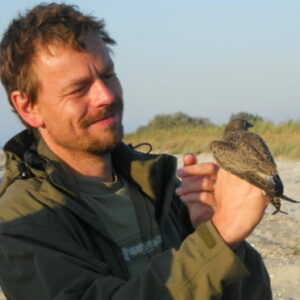
At the end of last year, the CitellusLIFE project was launched with the aim of protecting and increasing the European ground squirrel population in the Pannonian Region. The programme will run for the next seven years and is led by the Nature Conservation Department of the Herman Ottó Institute in Hungary, with the participation of 11 professional organisations, including Milvus Group. The aim of the programme is to create a “conservation safety net” which, in the long term, will support the maintenance and growth of ground squirrel populations.
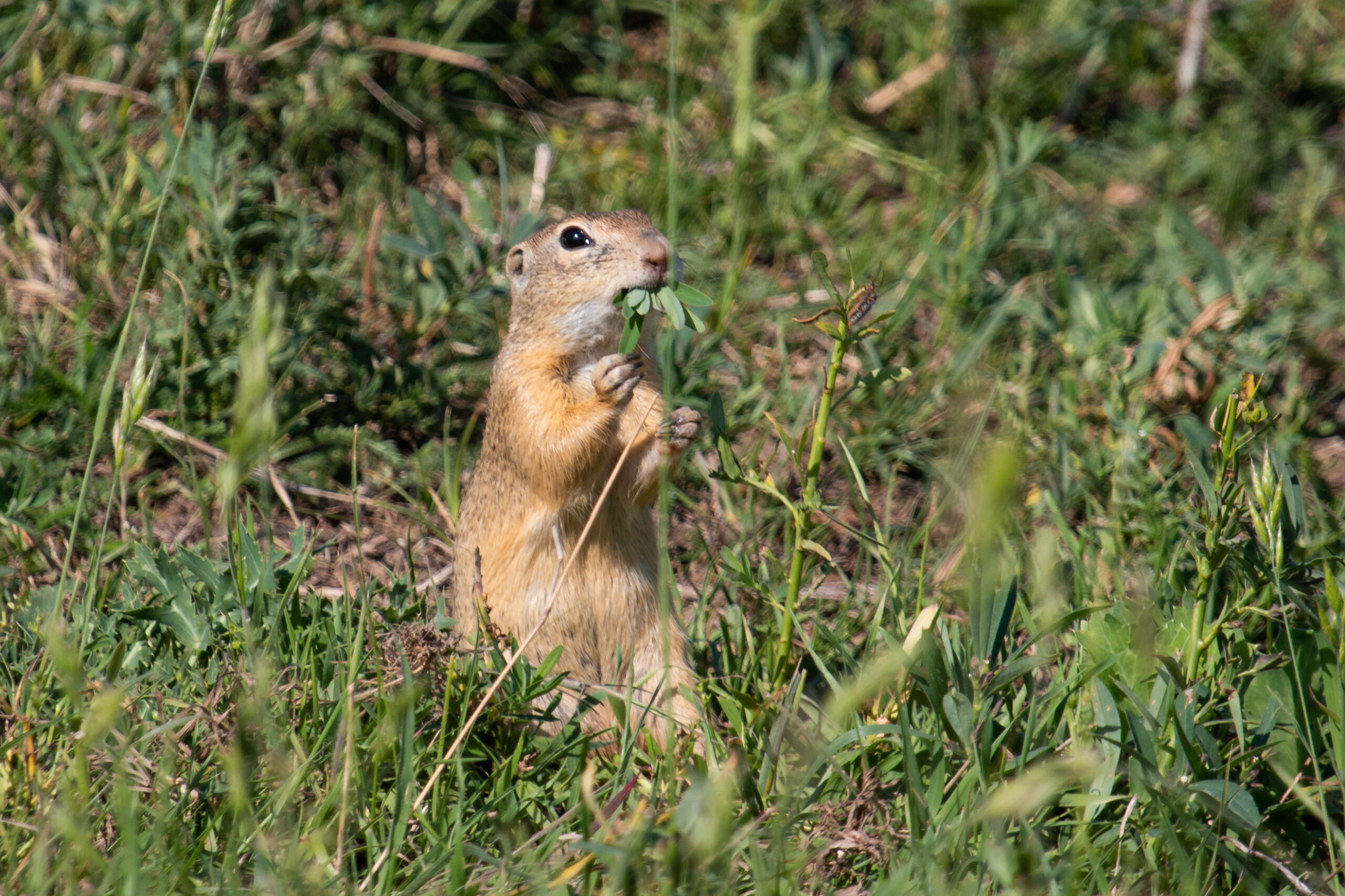
Why is it necessary to save the ground squirrel?
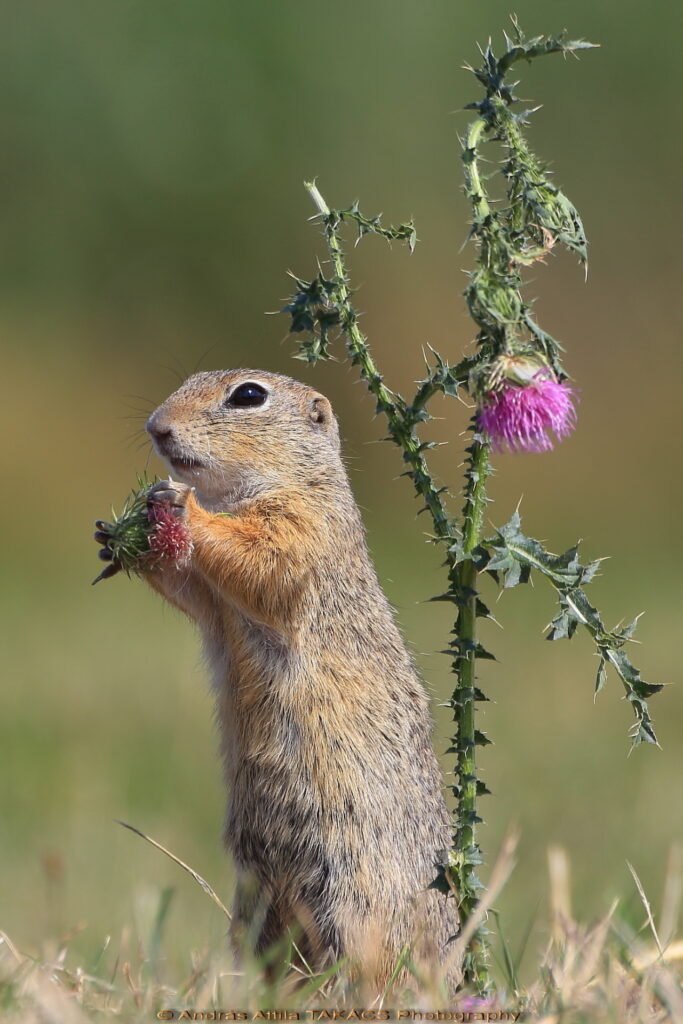
The European ground squirrel (Spermophilus citellus) is an endemic European species and a characteristic element of steppe mammal fauna. Until the 1980s it was considered an agricultural pest, but today it is one of the most endangered mammal species in Romania. Among the most significant threats are the disappearance of short-grazed grasslands and the severe fragmentation of habitats. As the ground squirrel is one of the main prey species of the saker falcon and the eastern imperial eagle, restoring ground squirrel habitats can also strengthen the populations of these birds of prey.
Why is a “conservation safety net” needed?
The aim of the CitellusLIFE programme is to ensure the survival of the three genetic lineages identified within the ground squirrel population of the Pannonian Region. Project activities will include assessing the status of these populations and implementing measures to improve the condition of existing colonies, expand their territories, reconnect colonies, and establish new ones.
The role of Milvus Group
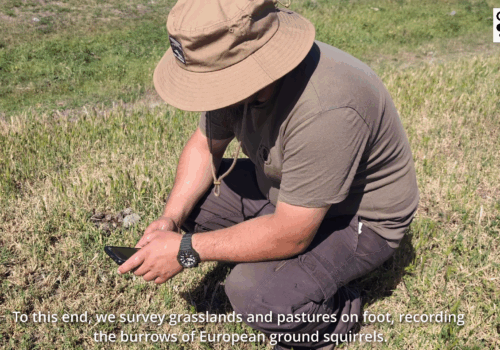
Members of Milvus Group began studying this species in 2005 with the aim of proposing several Sites of Community Importance (Natura 2000 sites) for the conservation of the ground squirrel. To this end, a nationwide survey was organised in 2009–2010. Based on the collected data, 82 Natura 2000 sites were proposed for the species.
The conservation of the Saker falcon (Falco cherrug) has continuously been linked to the assessment of ground squirrel colonies. Mapping the species’ distribution in the Pannonian Region was therefore partly the result of conservation efforts targeting this falcon. Within a project funded by the European Union’s Life+ programme, the first translocations of the species were carried out, with the dual aim of rescuing individuals from habitats threatened with destruction and revitalising smaller colonies through the introduction of new individuals. In 2015, within the framework of the project “Securing food sources for endangered populations of Saker falcon and Eastern imperial eagle in the Carpathian Basin” (LIFE13 NAT/HU/000183), actions were undertaken in Hungary and Romania to halt the decline of ground squirrel populations, a crucial food source for the Saker falcon.
Now, a decade after the launch of that project, CitellusLIFE once again offers the opportunity to assess the status of ground squirrel colonies, improve the genetic status of target populations through the introduction of individuals from other populations, and restore degraded habitats that are crucial for the species.
How can you help?
It is important to know where ground squirrel colonies occur — and you can help with this. If you observe a ground squirrel during your time in nature, please record your observation in the OpenMammalMaps database. If you do not yet have an account, the first step is to download the free OpenBioMaps application, through which you can access the OpenMammalMaps database. The app is available on Google Play in Romanian, Hungarian and English.