


Eurobustard LIFE

Steppe birds are one of the bird groups currently showing greatest population declines, which is a cause of conservation concern. Bustards (Otididae) are particularly vulnerable, since many of their species share farmland habitat with humans, and thus active conservation measures are necessary. Great Bustard (Otis tarda) and Little Bustard (Tetrax tetrax) are two well-known species of this family living in the Palearctic, a region subjected to high human pressure, land-use changes and agricultural intensification.

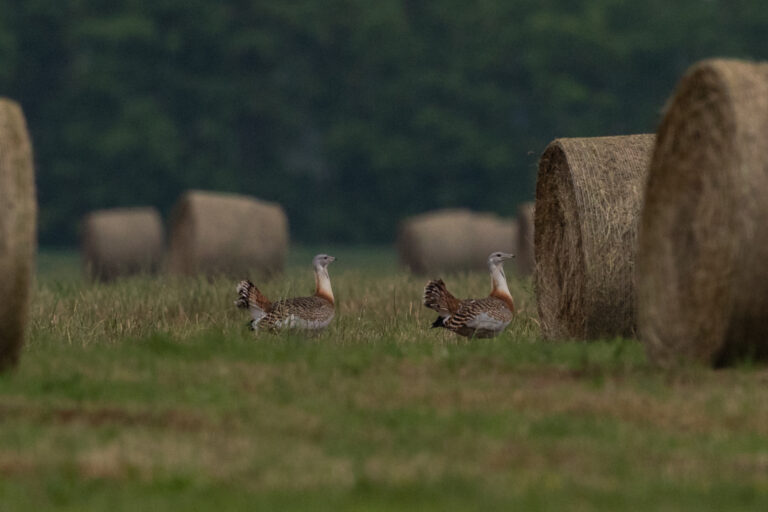
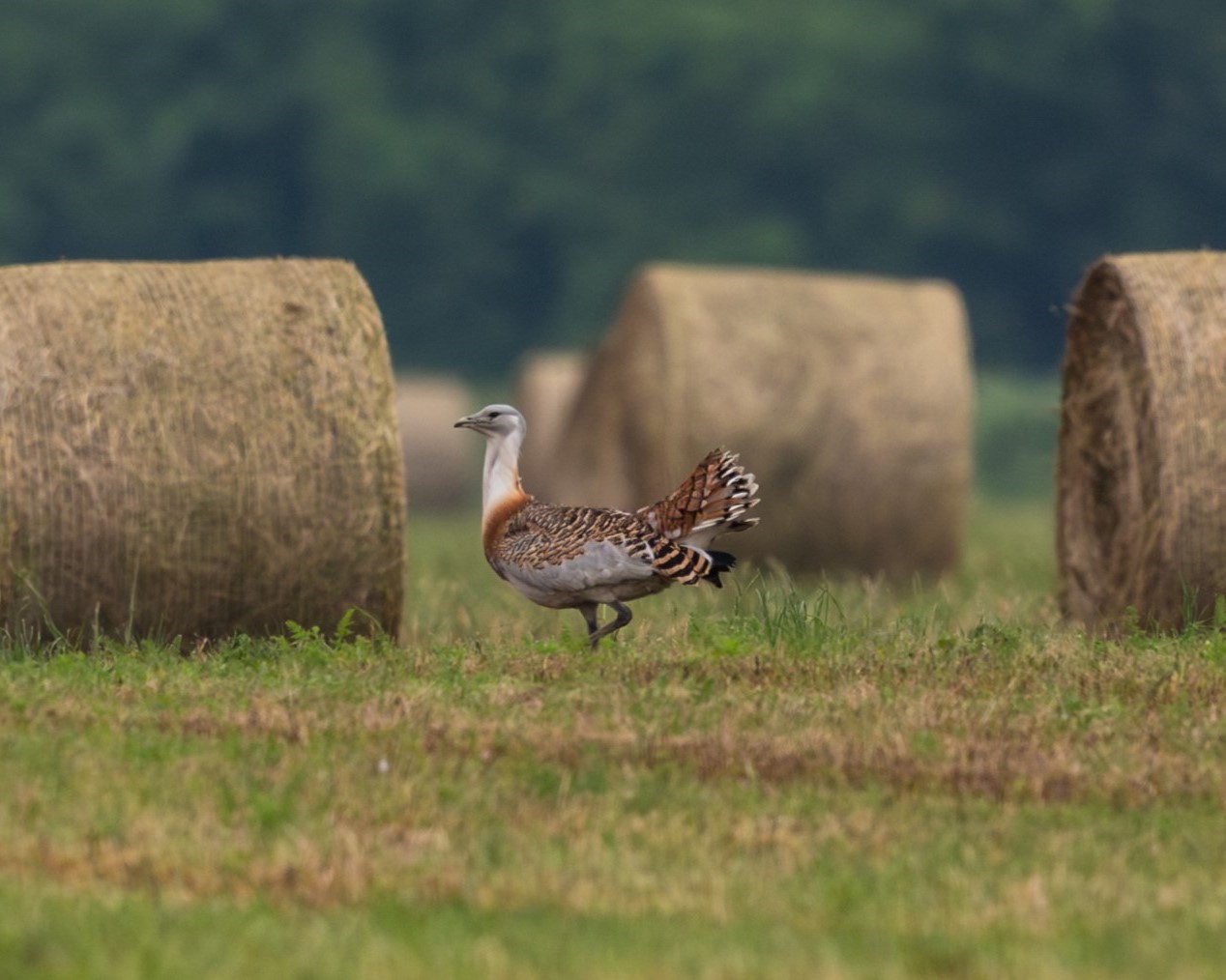
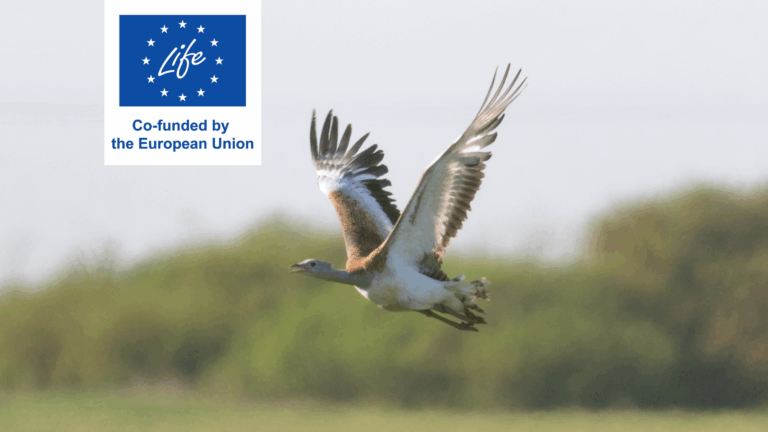
Great bustard (Otis tarda)

Photo: Nagy Attila

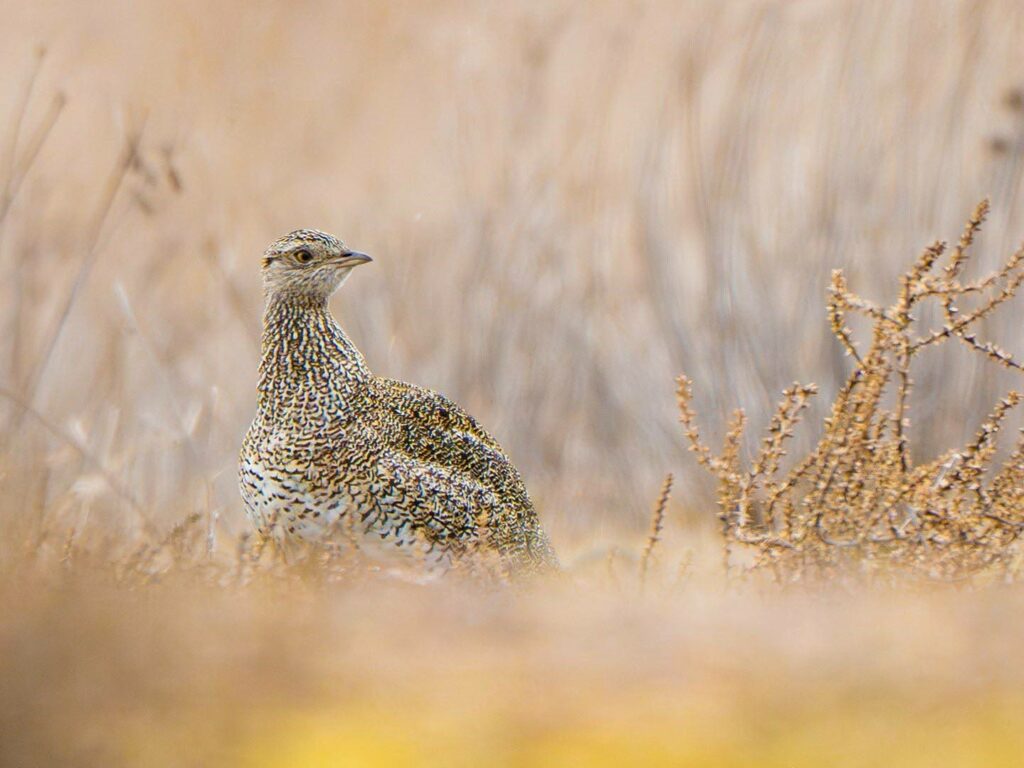
Little (Tetrax tetrax)

Photo: Iliuță Goean

As previous LIFE projects in Central Europe have shown, it is still possible to successfully protect bustards by implementing the most important conservation measures. The Great bustard population in Europe has declined by 1/3 in an 11-year period, even though the West-Pannonian population (Austria, West Hungary and Slovakia) more than doubled in the same period. Building on the experience gained from the successful protection of the Great Bustard in Central Europe over the last 25 years, the extensive LIFE EUROBUSTARD project aims to halt the further decline of the Great Bustard and Little Bustard throughout Europe. In Romania, through this project we intend to protect our last remaining Great Bustard habitats, as there is only one viable population left in Romania, in the Salonta area (Bihor County) near the Hungarian border.

The greatest threat to both bustard species is the intensification of agriculture, which leads to the destruction of habitats and direct killing by agricultural machinery. In addition, collisions with overhead powerlines are the most important anthropogenic mortality factor for the Great Bustard. The project is therefore focusing its measures on these three areas:

    • Extensive habitat improvement measures
    • Reduction of mortality from collision with overhead powerlines
    • Reduction of mortality caused by agricultural machinery

Project information

Project title: Cross-border protection of the Great Bustard and the Little Bustard in Europe

Implementation period: 88 months (2025-2032)

Project partners: 30 partners from 8 countries (Austria, France, Germany, Hungary, Portugal, Romania, Slovakia, Spain)

Coordinator partner: Österreichische Gesellschaft Großtrappenschutz (ÖGG) – Austria

Project partner in Romania: Milvus Group

Project budget of the consortium: 22 371 882.51 €

EU contribution (funding rate) through the LIFE Programme: 75%

Read more: